Love this? Save it for later!
Share the inspiration with your friends
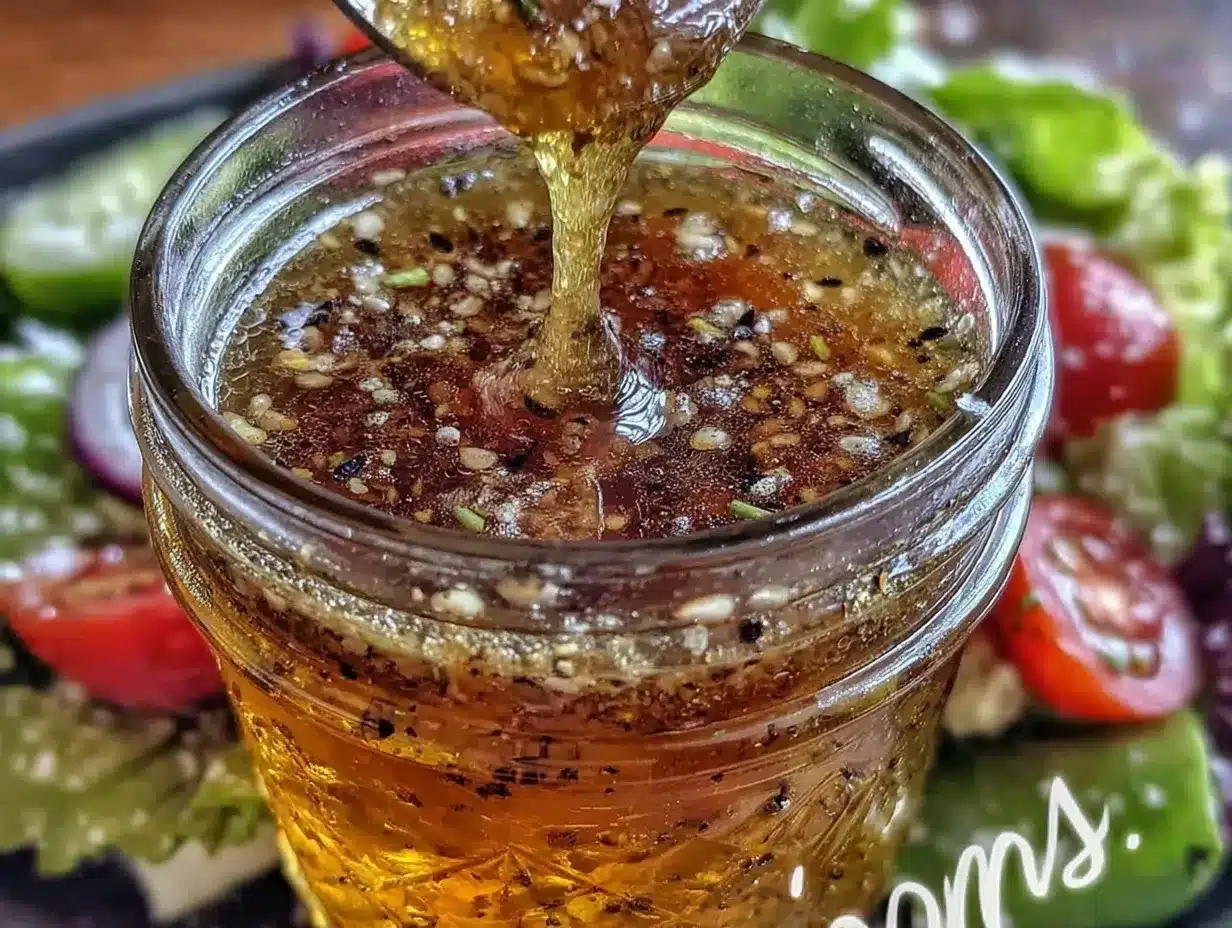
“Last Saturday morning, I stumbled into the kitchen half-asleep, rummaging through the fridge for something quick. I was craving that fresh, tangy zing you get from a good salad dressing — but honestly, I had zero energy to make anything complicated. Then I remembered that jar tucked away in the back of the fridge, filled with a homemade dressing I’d whipped up weeks ago. It still tasted vibrant, fresh, like I’d just made it that morning. That moment reminded me how simple and satisfying making easy homemade salad dressing in jar can be. No fuss, no mess, just pure, fresh flavor ready whenever you need it.”
Sometimes, you just want to toss together a salad and have the dressing waiting, pre-mixed, fresh, and bursting with flavor. Maybe you’ve been there — staring at the bottles of store-bought dressings that all taste a bit the same, loaded with preservatives and who-knows-what. I get it, because for years, I thought making salad dressing was a chore best left to the pros. But then I started experimenting with simple vinaigrettes and creamy blends I could shake up in a jar and keep handy. And honestly? It’s become a game-changer for my weeknight meals.
One afternoon, I spilled olive oil all over the counter while trying to multitask — classic me — but that little mess led me to perfect the easiest “shake and pour” method that I swear by now. Whether you’re a kitchen newbie or a salad veteran, this approach makes fresh salad dressings approachable and fun. Plus, it’s a great way to control what goes in, tailoring flavors exactly how you like them.
So, if you’ve ever wished for quick, fresh, and customizable salad dressings ready to go, this post is for you. I’m sharing five of my favorite easy homemade salad dressing in jar recipes that keep things bright and tasty without the hassle. Maybe you’ll find one that steals your heart like it did mine — or maybe you’ll perfect your own spin on these. Either way, your salads are about to get a whole lot better.
Why You’ll Love This Recipe
Let me tell you why these easy homemade salad dressings in jar have become staples in my kitchen:
- Quick & Easy: Each dressing comes together in under 5 minutes. Perfect for those busy evenings or last-minute lunch plans.
- Simple Ingredients: You probably already have everything in your pantry or fridge. No fancy trips required!
- Perfect for Any Occasion: Whether it’s a casual family dinner, a picnic, or a potluck, these dressings fit right in.
- Crowd-Pleaser: My friends and family always ask for the recipe — including picky eaters who usually shy away from homemade dressings.
- Unbelievably Delicious: The balance of tang, sweetness, and herbs makes every bite a fresh flavor explosion.
What sets these dressings apart? It’s all about the technique — shaking the jar vigorously to emulsify oil and vinegar into a silky, harmonious blend. I also love adding a pinch of honey or mustard to give a subtle depth that you don’t find in most bottled dressings. Plus, making them in a jar means less cleanup and an easy way to store leftovers. Honestly, I keep a couple jars ready at all times — it’s like having a mini salad bar at home.
What Ingredients You Will Need
These recipes use straightforward, fresh ingredients for bold flavor without fuss. Here’s a breakdown by dressing type:
Basic Vinaigrette
- Extra virgin olive oil (I prefer California Olive Ranch for smoothness)
- Apple cider vinegar or red wine vinegar (choose unfiltered for more probiotics)
- Dijon mustard (adds creaminess and helps emulsify)
- Garlic, minced (fresh is best for punch)
- Honey or maple syrup (balances acidity)
- Salt and freshly ground black pepper
Creamy Herb Dressing
- Mayonnaise or Greek yogurt (for a lighter option, try plain Greek yogurt)
- Fresh dill and parsley, finely chopped (fresh herbs make all the difference)
- Lemon juice, freshly squeezed
- Garlic powder
- Salt and pepper
Asian-Inspired Dressing
- Sesame oil (toasted if you can find it, for nuttier flavor)
- Soy sauce or tamari (gluten-free alternative)
- Rice vinegar
- Fresh ginger, grated
- Honey or brown sugar
- Chopped green onions
Sweet & Tangy Honey Mustard
- Whole grain mustard
- Honey
- Apple cider vinegar
- Olive oil
- Salt and pepper
Avocado Lime Dressing
- Ripe avocado, mashed
- Lime juice
- Olive oil
- Garlic powder
- Fresh cilantro, chopped
- Water to thin as needed
For substitutions, you can swap olive oil with avocado oil or walnut oil for different flavor profiles. If you need dairy-free options, coconut yogurt works well in creamy dressings. Fresh herbs can be replaced with dried if necessary, but use sparingly as dried herbs are more potent.
Equipment Needed
- Mason jars or any glass jars with tight-fitting lids: These are perfect for shaking and storing your dressings. I like the 8 oz size for single batches.
- Measuring spoons and cups: Accuracy helps balance flavors, especially with vinegar and oil ratios.
- Small whisk or fork: Handy if you want to pre-mix before shaking.
- Sharp knife and cutting board: For chopping herbs and mincing garlic.
- Optional: Blender or immersion blender: Useful for creamy dressings like avocado lime, but shaking in a jar usually does the trick.
Honestly, my favorite part is how versatile mason jars are — easy to clean, dishwasher safe, and no extra bowls to wash. If you don’t have jars, any container with a secure lid will do. Avoid plastic if possible, since vinegar can sometimes degrade plastics over time.
Preparation Method
- Start by measuring your ingredients carefully. For a classic vinaigrette, I use 3 tablespoons (45 ml) of olive oil and 1 tablespoon (15 ml) of vinegar. This 3:1 ratio balances the acidity nicely. Adjust to taste.
- Add your acidic ingredients to the jar first. Vinegar, lemon juice, mustard, honey — these go in first so they mix better with the oil later.
- Season with salt, pepper, and any dry spices or herbs. For garlic, fresh minced works best, but garlic powder can be a quick substitute. A pinch of salt helps pull out the flavors.
- Pour in the oil last. This layering helps when you shake the jar to emulsify the dressing properly.
- Secure the lid tightly and shake vigorously. Shake for at least 30 seconds until the dressing looks creamy and slightly thickened. You’ll notice the oil and vinegar completely blend — that’s the magic moment.
- Taste and adjust. If it’s too tangy, add a bit more honey or olive oil. If too thick, a splash of water or more vinegar can thin it out.
- Store in the fridge. Most dressings keep well for up to a week. Just shake again before each use, since oil and vinegar tend to separate.
- For creamy dressings: If using avocado or yogurt, mash or blend ingredients first for smoothness, then transfer to jar for shaking and storage.
Pro tip: When making the Asian-inspired dressing, I like to give the ginger and green onions a quick mash with the back of a spoon inside the jar before adding liquids — it releases their flavors beautifully.
Cooking Tips & Techniques
Making salad dressing in a jar is simple, but a few tricks make it even better:
- Use room temperature ingredients. Cold oil or vinegar can resist mixing properly, so let them sit out for 10 minutes before starting.
- Shake, don’t stir. Vigorous shaking creates a better emulsion, making your dressing silky and smooth rather than separated.
- Adjust acidity carefully. Vinegars vary in strength — balsamic is sweeter, while apple cider vinegar is more tart. Start with less and add more if needed.
- Store dressings in glass jars. They keep flavors fresh and don’t retain odors like plastic can.
- Don’t overdo the salt initially. It’s easier to add more later than fix an overly salty dressing.
- Note on creamy dressings: If too thick after chilling, stir in a teaspoon of water or olive oil to loosen.
Once, I forgot to tighten the jar lid fully and ended up with dressing all over the fridge shelf — lesson learned! Always double-check that lid before shaking. You know that feeling when a simple kitchen mishap turns into a funny story? Yeah, this is one of mine.
Variations & Adaptations
These easy homemade salad dressings in jar are wonderfully adaptable. Here are a few ways to switch things up:
- Make it vegan: Swap honey with maple syrup or agave nectar. Use dairy-free yogurt or mayo alternatives for creamy versions.
- Change the oil: Use walnut, avocado, or grapeseed oil to create new flavor profiles. Each oil brings its own unique note.
- Seasonal herbs: In summer, fresh basil or mint adds brightness. In fall, try sage or rosemary for earthier tones.
- Spice it up: Add chili flakes, smoked paprika, or a dash of hot sauce for a kick.
- Personal favorite: I’ve recently combined the avocado lime dressing with a touch of smoked paprika and a sprinkle of toasted pepitas — it’s a game-changer on leafy greens.
You can also turn these dressings into marinades or dips by adjusting the thickness — just add less oil for dipping or more for marinating. Play around with what you have, and don’t be afraid to try something new!
Serving & Storage Suggestions
Serve your homemade salad dressing chilled or at room temperature for best flavor. I usually pour it over mixed greens, crunchy veggies, or even grain bowls right before serving. A quick shake before use wakes up the flavors and re-emulsifies the dressing.
These dressings pair beautifully with simple salads like arugula and cherry tomatoes, or heartier ones like kale and roasted sweet potatoes. For a full meal, try pairing your salad with a crusty baguette or a light grilled protein such as crispy garlic chicken — the dressing’s freshness balances the richness perfectly.
Store dressings in airtight glass jars in the fridge. Most keep well for up to 7 days, though fresh herbs may start to lose vibrancy after a few days. If herbs wilt, just add fresh ones before serving. To reheat creamy dressings, let sit at room temperature for 10-15 minutes and stir well.
Flavors often deepen after a day or two, so making your dressings ahead can actually improve taste. Just remember to shake well before each use!
Nutritional Information & Benefits
These homemade salad dressings typically range from 60 to 120 calories per serving (about 2 tablespoons / 30 ml), depending on the recipe and oil quantity. They are naturally free from preservatives and artificial additives common in store-bought versions.
Olive oil provides heart-healthy monounsaturated fats and antioxidants. Vinegars contribute trace minerals and may aid digestion. Herbs add vitamins and antioxidants, boosting the nutritional punch. Using Greek yogurt in creamy dressings adds protein and probiotics. If you’re watching carbs or gluten, rest assured these dressings are naturally gluten-free and low-carb — just watch added sweeteners.
From a wellness perspective, making your own dressing means control over ingredients and portion sizes — a small change that can have big benefits in your daily diet.
Conclusion
Easy homemade salad dressing in jar recipes are a simple way to bring fresh flavor and healthful goodness to your meals without extra fuss. Whether you prefer classic vinaigrettes or creamy blends, these dressings are flexible, quick, and downright tasty. I love how they make me feel like I’m treating myself to something special every time I toss a salad.
Feel free to tweak these recipes to suit your taste — add more herbs, swap oils, or try new vinegars. The kitchen is your playground! And hey, if you find a favorite version, don’t keep it to yourself. Share it with friends or leave a comment below so we can all enjoy the goodness.
Here’s to making salad the highlight of your meal, one fresh jar at a time.
Frequently Asked Questions about Easy Homemade Salad Dressing in Jar
How long can I store homemade salad dressing in a jar?
Most dressings last about 5-7 days in the refrigerator when stored in airtight glass jars. Fresh herbs may lose potency after a few days, so add fresh before serving if needed.
Can I make salad dressing without oil?
Yes! You can use yogurt, avocado, or even tahini as a base for creamy dressings without oil. Vinegars, citrus juice, and mustard provide plenty of flavor on their own.
Why does my homemade dressing separate in the jar?
Oil and vinegar naturally separate over time. Just give the jar a good shake before each use to re-emulsify the dressing and bring back that creamy texture.
Can I use dried herbs instead of fresh?
You can, but dried herbs are more concentrated. Use about one-third the amount of fresh herbs called for, and add them during the shaking to help release flavors.
Is it okay to use flavored or infused oils?
Absolutely! Flavored oils like garlic-infused or chili-infused add a nice twist. Just be mindful of their potency and adjust quantities accordingly so the dressing stays balanced.
Pin This Recipe!
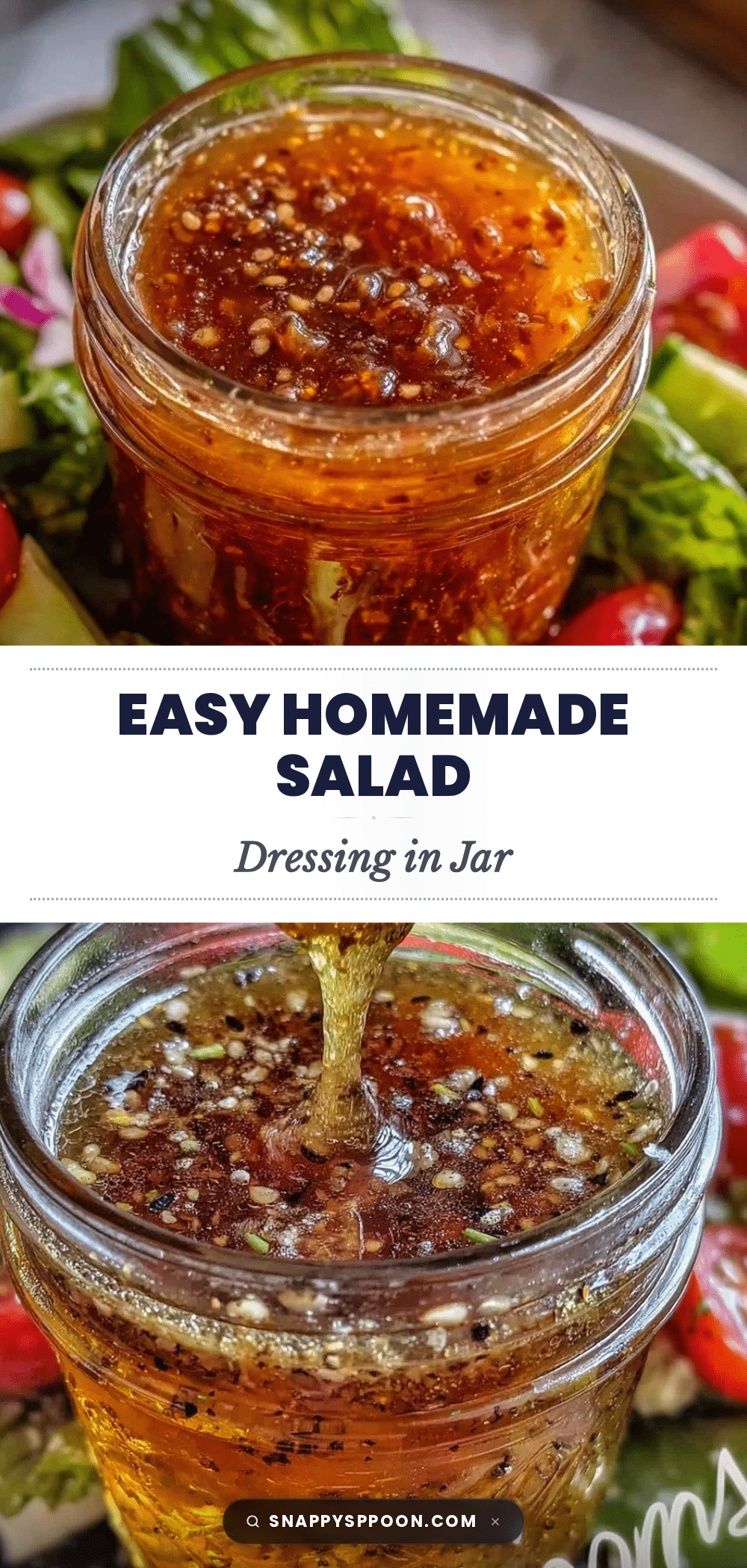
Easy Homemade Salad Dressing in Jar – 5 Recipes for Fresh Flavor
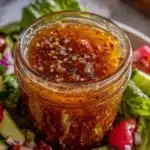
Simple, quick, and customizable salad dressings made in jars for fresh, vibrant flavor with minimal fuss. Perfect for busy days and versatile for any occasion.
- Prep Time: 5 minutes
- Cook Time: 0 minutes
- Total Time: 5 minutes
- Yield: About 1/4 cup (2 tablespoons per serving), approximately 4 servings
- Category: Condiment
- Cuisine: American
Ingredients
- Extra virgin olive oil
- Apple cider vinegar or red wine vinegar
- Dijon mustard
- Garlic, minced
- Honey or maple syrup
- Salt and freshly ground black pepper
- Mayonnaise or Greek yogurt
- Fresh dill and parsley, finely chopped
- Lemon juice, freshly squeezed
- Garlic powder
- Sesame oil
- Soy sauce or tamari
- Rice vinegar
- Fresh ginger, grated
- Brown sugar
- Chopped green onions
- Whole grain mustard
- Ripe avocado, mashed
- Lime juice
- Fresh cilantro, chopped
- Water to thin as needed
Instructions
- Measure ingredients carefully, using a 3:1 oil to vinegar ratio for classic vinaigrette (e.g., 3 tablespoons olive oil to 1 tablespoon vinegar).
- Add acidic ingredients (vinegar, lemon juice, mustard, honey) to the jar first.
- Season with salt, pepper, and any dry spices or herbs.
- Pour in the oil last to help with emulsification.
- Secure the lid tightly and shake vigorously for at least 30 seconds until creamy and slightly thickened.
- Taste and adjust by adding more honey, olive oil, or water as needed.
- Store in the fridge for up to 7 days; shake before each use to re-emulsify.
- For creamy dressings, mash or blend ingredients first, then transfer to jar for shaking and storage.
Notes
[‘Use room temperature ingredients for better emulsification.’, ‘Shake vigorously instead of stirring to create a silky texture.’, ‘Adjust acidity carefully; start with less vinegar and add more if needed.’, ‘Store dressings in glass jars to maintain freshness and avoid odors.’, ‘Add water or olive oil to loosen creamy dressings if too thick after chilling.’, ‘Shake well before each use as oil and vinegar separate naturally.’, ‘For Asian-inspired dressing, mash ginger and green onions in jar before adding liquids.’, ‘Substitute oils (avocado, walnut, grapeseed) and sweeteners (maple syrup, agave) for variations.’, ‘Use dried herbs sparingly as they are more potent than fresh.’]
Nutrition
- Serving Size: 2 tablespoons (30 ml
- Calories: 60120
- Sugar: 13
- Sodium: 50150
- Fat: 714
- Saturated Fat: 12
- Carbohydrates: 13
- Fiber: 1
- Protein: 1
Keywords: salad dressing, homemade dressing, vinaigrette, creamy dressing, easy salad dressing, jar dressing, healthy dressing, quick dressing