Love this? Save it for later!
Share the inspiration with your friends
“I swear, the first time I made this Easy One-Pot Pasta Primavera with Fresh Veggies was totally by accident,” I confess. It was a chaotic Thursday evening, and honestly, I was juggling a dozen things—work calls, a ringing phone, and a kitchen that looked like a tornado had just passed through. I had planned to make a fancy dinner with multiple pots, but I forgot to thaw the chicken and was running out of time. So, I grabbed whatever fresh veggies I had in the fridge and tossed everything into one pot, crossing my fingers.
The sound of bubbling water mingled with the gentle sizzle of garlic and olive oil filled the kitchen as I stirred the pot nervously. The way the pasta soaked up the vibrant flavors of zucchini, cherry tomatoes, and bell peppers was nothing short of magic. I remember thinking, “This can’t be that simple, can it?” But, well, it was. And it tasted amazing.
Since that night, this recipe has been my go-to when life gets hectic. Maybe you’ve been there too—staring at a fridge full of fresh veggies but no energy or time to cook multiple dishes. This one-pot wonder makes everything easy, fast, and honestly, really delightful. I still chuckle thinking about how a messy, rushed night led me to what’s now a staple in my kitchen. It’s proof that sometimes the best meals come from happy accidents, and you don’t need a complicated recipe to impress yourself or anyone else.
Let me tell you, this Easy One-Pot Pasta Primavera with Fresh Veggies isn’t just about convenience; it’s about savoring the freshness and color of spring and summer, no matter the season. So if you’re craving a meal that’s quick, wholesome, and bursting with garden-fresh flavors, you’re in the right place. Ready to make a mess (and a masterpiece)? Let’s get cooking!
Why You’ll Love This Recipe
This Easy One-Pot Pasta Primavera with Fresh Veggies has quickly become a favorite for good reasons. From my many kitchen trials and tweaks, here’s why it’s a standout:
- Quick & Easy: Ready in just about 30 minutes, it’s perfect for busy weeknights or those last-minute dinner plans when you’re short on time but want something satisfying.
- Simple Ingredients: No need to hunt down fancy or obscure items—most are pantry staples or fresh veggies you can find at any local market.
- Perfect for Any Occasion: Whether it’s a cozy dinner for one, a casual family meal, or even a light lunch, this pasta fits the bill every time.
- Crowd-Pleaser: From picky kids to veggie skeptics, this dish has a way of winning over taste buds with its fresh, balanced flavors and creamy texture.
- Unbelievably Delicious: The secret is in cooking everything together—pasta absorbs the essence of fresh garlic, herbs, and veggies, making each bite a comforting delight.
What sets this recipe apart? It’s the one-pot method that saves you from washing a mountain of dishes, and the way I balance the seasoning so the veggies stay vibrant but tender. Honestly, it’s the kind of recipe that makes you close your eyes after the first bite and smile because it tastes just right—never bland, never over the top. Plus, by cooking the pasta right in the sauce and veggie mix, you get this silky, luscious finish that’s hard to beat.
This recipe isn’t just a meal; it’s a little moment of joy in your day, especially when you’re craving something fresh but don’t want to spend hours in the kitchen. And hey, if you enjoy dishes like creamy mushroom risotto or a classic garlic shrimp pasta, you’ll find this primavera equally charming and uncomplicated.
What Ingredients You Will Need
This recipe uses simple, wholesome ingredients that bring fresh flavor and satisfying texture without fuss. Most of these are pantry staples, and the fresh veggies can be swapped based on what’s in season or what you have on hand. Here’s the breakdown:
- Pasta: 12 ounces (340 grams) of penne or fusilli pasta (I prefer Barilla for its consistent texture).
- Fresh Vegetables:
- 1 medium zucchini, sliced into half-moons
- 1 red bell pepper, thinly sliced
- 1 cup cherry tomatoes, halved (or grape tomatoes)
- 1 cup fresh green peas (frozen works fine too)
- 1 small yellow onion, finely chopped
- Garlic: 3 cloves, minced (adds essential aroma and depth)
- Olive Oil: 3 tablespoons extra virgin olive oil (use a good quality brand like Colavita)
- Vegetable Broth: 4 cups (960 ml) low-sodium broth to cook the pasta and infuse flavor
- Parmesan Cheese: ½ cup freshly grated for topping (optional but highly recommended)
- Fresh Herbs: ¼ cup chopped fresh basil or parsley for freshness
- Seasoning: Salt and black pepper to taste, plus a pinch of red chili flakes if you want a little kick
- Lemon Juice: 1 tablespoon fresh lemon juice for brightness
Substitution tips: Use gluten-free pasta if needed, and swap peas for asparagus or snap peas in spring. If dairy-free, leave out cheese or use a plant-based alternative. This recipe’s flexible; just keep the broth-to-pasta ratio close to avoid dryness or mushiness.
Equipment Needed
- Large deep skillet or wide pot: At least 12 inches in diameter, this will hold the pasta, veggies, and broth comfortably. I find a non-stick skillet works wonders here for easy stirring and cleanup.
- Sharp knife and cutting board: For chopping the veggies finely and efficiently.
- Wooden spoon or silicone spatula: For stirring without scratching your cookware.
- Measuring cups and spoons: To keep your liquid and seasoning precise—trust me, it makes a noticeable difference.
- Colander: Optional, but handy if you decide to rinse veggies or drain pasta in any variation.
If you don’t have a large skillet, a wide saucepan or Dutch oven can work just fine. I once tried making this in a smaller pot and had to do it in batches—not recommended unless you like extra stirring! For budget-friendly tools, many stores carry affordable non-stick pans that hold up well with gentle care. Remember to avoid metal utensils if you want to keep your non-stick surfaces intact.
Preparation Method
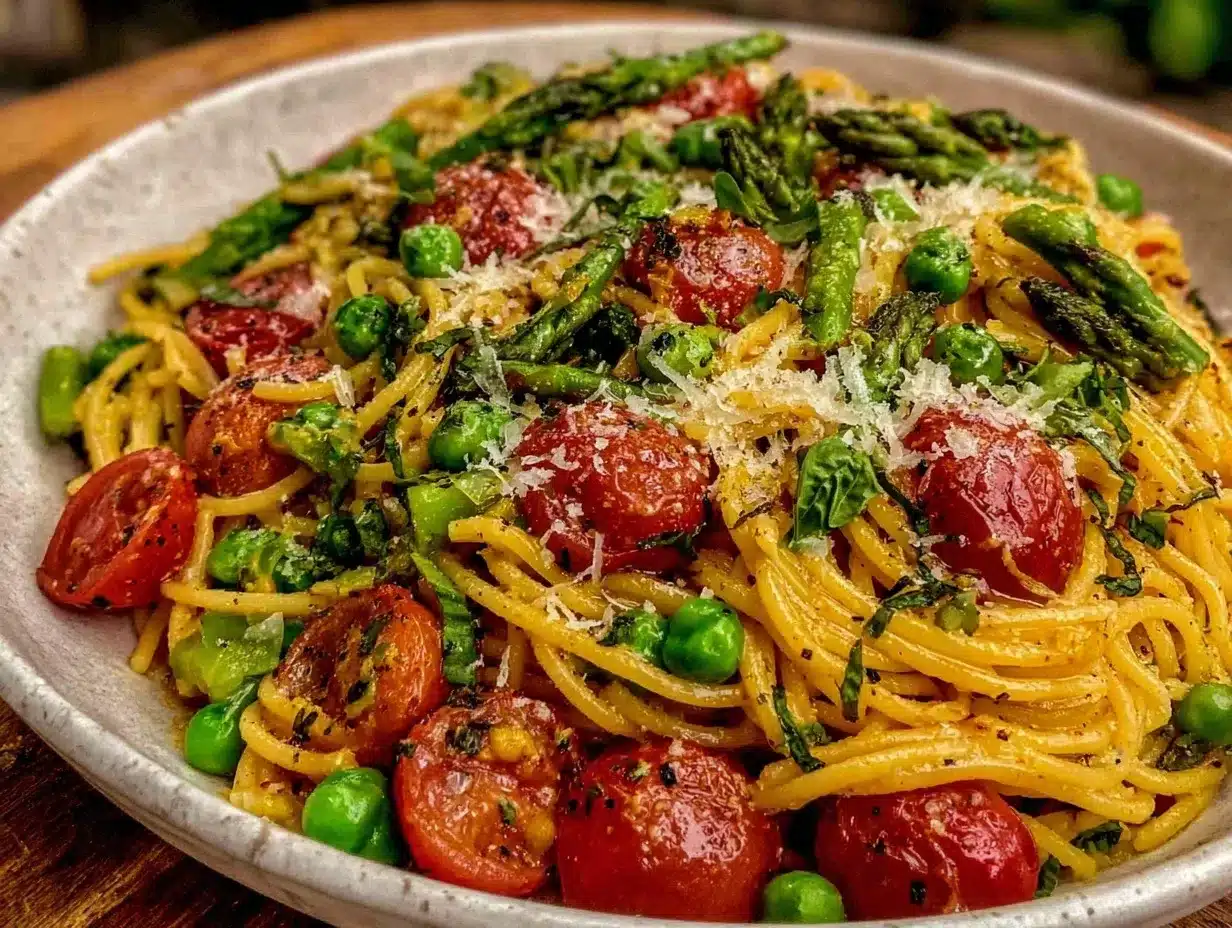
- Prep your veggies: Wash and slice the zucchini, bell pepper, cherry tomatoes, and onion as described. Mince the garlic finely. This should take about 10 minutes.
- Heat the olive oil: In your large skillet or pot, warm the 3 tablespoons of olive oil over medium heat until shimmering but not smoking, about 1-2 minutes. You want that gentle sizzle, not a burn.
- Sauté onion and garlic: Add the chopped onion and cook until translucent, around 3-4 minutes. Then stir in the minced garlic and cook another 30 seconds until fragrant—don’t let it brown or it’ll turn bitter.
- Add fresh veggies: Toss in the zucchini, bell pepper, and peas. Stir and cook for about 3 minutes so they start to soften but still have that fresh snap.
- Add pasta and broth: Pour in the dry pasta and the 4 cups of vegetable broth. Give everything a good stir to combine. Make sure the pasta is mostly submerged in liquid. This step is crucial for even cooking.
- Cook uncovered: Bring the mixture to a boil, then reduce heat to medium-low. Let it simmer gently, stirring every few minutes to prevent sticking and ensure the pasta cooks evenly. This will take about 12-15 minutes. Keep an eye on the liquid level; add a splash of water or broth if it looks too dry.
- Add tomatoes, seasoning, and lemon juice: About 5 minutes before the pasta is done, stir in the cherry tomatoes, salt, pepper, red chili flakes, and lemon juice. The tomatoes will soften but still hold shape, adding a lovely burst of flavor.
- Finish with cheese and herbs: Once pasta is al dente and most liquid absorbed, remove from heat. Stir in the grated Parmesan and fresh basil or parsley. The cheese melts into a creamy coating, making the whole dish irresistible.
- Serve immediately: Spoon onto plates or bowls while warm. A drizzle of extra olive oil or a few extra basil leaves on top never hurts!
Tip: If the pasta isn’t quite tender after the broth is absorbed, add a splash more liquid and cook an extra 2-3 minutes. And yes, stirring is the key here, so don’t wander off for too long!
Cooking Tips & Techniques
Making pasta and veggies cook perfectly together can be tricky, but here are some tips I picked up the hard way:
- Keep the heat moderate: Too high and the broth evaporates too fast before the pasta cooks; too low and you risk mushy veggies. Medium to medium-low is your friend.
- Stir frequently: You might think it’s annoying, but stirring prevents the pasta from sticking to the bottom, especially since there’s no pre-boiling step here.
- Choose the right pasta: Smaller shapes like penne or fusilli work best to cook evenly in one pot. Long strands like spaghetti might tangle or cook unevenly.
- Watch your liquid: The balance of broth to pasta is crucial. Too little and it’ll burn or dry out; too much and you get a soupy mess. Measuring accurately helps, and don’t hesitate to add a splash mid-cook if needed.
- Fresh vs. frozen veggies: Fresh wins for texture and flavor, but frozen peas or corn work fine—just add them a bit later so they don’t overcook.
- Don’t skip the lemon juice: It brightens the whole dish and cuts through the richness of cheese and oil, making every bite pop.
When I first tried this, I got impatient and cranked the heat up high. The pasta cooked unevenly, and the veggies turned soggy. Lesson learned! Slow and steady wins here.
Variations & Adaptations
One of the best things about this Easy One-Pot Pasta Primavera is how adaptable it is. Here are some ways to switch it up:
- Vegan Version: Skip the Parmesan and add nutritional yeast or a splash of coconut cream for creaminess. Use vegan pasta if needed.
- Protein Boost: Toss in cooked chickpeas, white beans, or shredded rotisserie chicken at the end for extra heartiness.
- Seasonal Veggie Swap: Use asparagus and peas in spring, summer squash and fresh corn in summer, or roasted root veggies in fall for a cozy twist.
- Spicy Kick: Add a pinch of crushed red pepper flakes or a dash of hot sauce to the broth for some heat.
- Gluten-Free: Use gluten-free pasta and double-check your broth for gluten-free labels. The cooking time might vary slightly.
Personally, I once tried adding a handful of arugula at the very end, just before serving—it gave a peppery freshness that was surprisingly nice. Feel free to experiment and make this your own!
Serving & Storage Suggestions
This Easy One-Pot Pasta Primavera tastes best fresh and warm, right off the stove. Serve it in shallow bowls, garnished with a few fresh basil leaves and an extra sprinkle of Parmesan for a lovely presentation. A crisp green salad or a slice of crusty bread pairs beautifully to round out the meal.
If you have leftovers, store them in an airtight container in the refrigerator for up to 3 days. The pasta will absorb more liquid over time, so when reheating, add a splash of water or broth and warm gently on the stove or microwave, stirring occasionally to keep it creamy.
Flavors actually deepen after a day, so sometimes I prefer it even more as a quick lunch. Just be mindful that reheating too long can make the veggies mushy, so gentle warming is key.
Nutritional Information & Benefits
This recipe is a wholesome mix of carbohydrates, fiber, and vitamins, making it a balanced meal. A typical serving provides approximately:
| Nutrient | Amount per serving |
|---|---|
| Calories | ~420 kcal |
| Protein | 14 grams |
| Carbohydrates | 60 grams |
| Fiber | 8 grams |
| Fat | 10 grams (mostly from olive oil) |
The fresh veggies contribute important antioxidants, vitamins A and C, and fiber that support digestion and immune health. Using olive oil adds heart-healthy fats, while Parmesan offers calcium and protein. This pasta primavera is naturally low in added sugars and can be made gluten-free or dairy-free to suit dietary needs.
From a wellness perspective, it’s a great way to get your daily dose of veggies without feeling like you’re forcing it. I find it energizing and satisfying without that heavy, sluggish feeling some pasta dishes can bring.
Conclusion
In the end, this Easy One-Pot Pasta Primavera with Fresh Veggies is more than just a recipe—it’s a simple, tasty solution for those moments when you want a nourishing meal without the hassle. Its fresh ingredients, balanced flavors, and one-pot convenience make it a keeper in my kitchen, and I hope it will find a place in yours too.
Feel free to swap in your favorite veggies or tweak the seasoning to match your taste buds. Honestly, cooking is about making a recipe your own, and this one welcomes all the personal touches.
Give it a try tonight, and drop a comment below sharing your favorite variations or any kitchen mishaps turned wins. I love hearing how these recipes weave into your life. Remember, good food doesn’t have to be complicated—sometimes it’s just about making the most of what you’ve got and savoring every bite.
Happy cooking, friends!
Frequently Asked Questions
Can I use different pasta shapes for this recipe?
Absolutely! While penne or fusilli work best for even cooking in one pot, you can use shells, rotini, or farfalle. Just watch the cooking time, as it may vary slightly.
What if I don’t have vegetable broth on hand?
You can substitute with chicken broth or even water, but broth adds flavor depth. If using water, consider boosting seasoning with extra garlic and herbs.
Can I prepare this recipe ahead of time?
It’s best served fresh, but you can prep the veggies in advance. Cook the pasta primavera just before serving for optimal texture and flavor.
How do I keep the veggies from getting mushy?
Cook them just until tender, and add softer veggies like tomatoes toward the end. Frequent stirring and moderate heat help maintain their texture.
Is this recipe suitable for a vegan diet?
Yes! Simply omit the Parmesan cheese or replace it with nutritional yeast or a vegan cheese alternative for a delicious plant-based version.
Pin This Recipe!
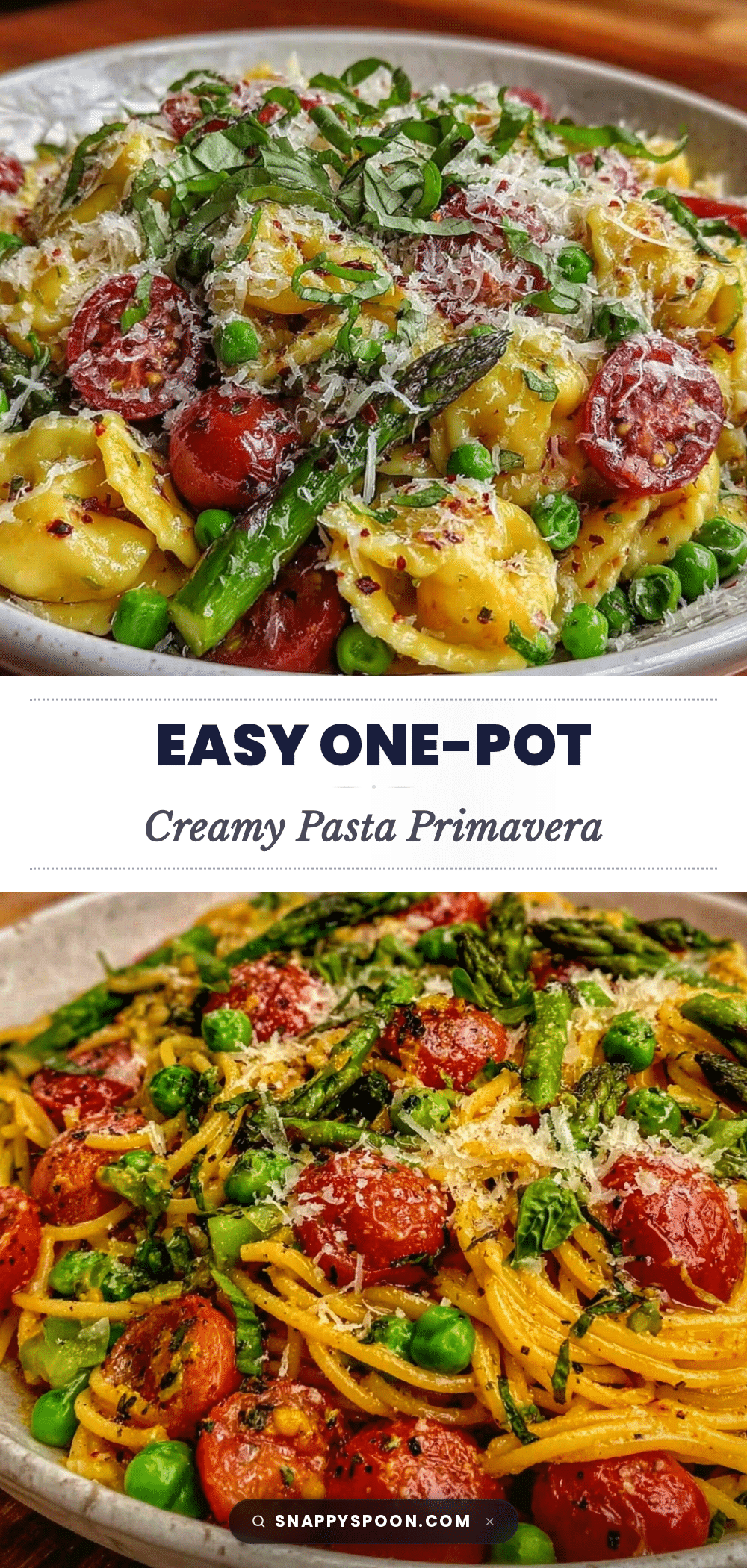
Easy One-Pot Pasta Primavera Recipe with Fresh Veggies for Quick Healthy Meals
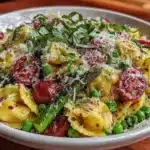
A quick and easy one-pot pasta primavera featuring fresh vegetables, perfect for busy weeknights and healthy meals bursting with garden-fresh flavors.
- Prep Time: 10 minutes
- Cook Time: 20 minutes
- Total Time: 30 minutes
- Yield: 4 servings 1x
- Category: Main Course
- Cuisine: Italian
Ingredients
- 12 ounces (340 grams) penne or fusilli pasta
- 1 medium zucchini, sliced into half-moons
- 1 red bell pepper, thinly sliced
- 1 cup cherry tomatoes, halved
- 1 cup fresh green peas (frozen works fine too)
- 1 small yellow onion, finely chopped
- 3 cloves garlic, minced
- 3 tablespoons extra virgin olive oil
- 4 cups (960 ml) low-sodium vegetable broth
- ½ cup freshly grated Parmesan cheese (optional)
- ¼ cup chopped fresh basil or parsley
- Salt and black pepper to taste
- Pinch of red chili flakes (optional)
- 1 tablespoon fresh lemon juice
Instructions
- Wash and slice the zucchini, bell pepper, cherry tomatoes, and onion. Mince the garlic finely. (About 10 minutes)
- Heat 3 tablespoons of olive oil in a large skillet or pot over medium heat until shimmering, about 1-2 minutes.
- Add chopped onion and cook until translucent, about 3-4 minutes. Stir in minced garlic and cook for 30 seconds until fragrant.
- Add zucchini, bell pepper, and peas. Stir and cook for about 3 minutes until they start to soften but remain crisp.
- Pour in the dry pasta and 4 cups of vegetable broth. Stir to combine, ensuring pasta is mostly submerged.
- Bring to a boil, then reduce heat to medium-low and simmer uncovered, stirring every few minutes, for 12-15 minutes until pasta is al dente and liquid mostly absorbed. Add more broth or water if needed.
- About 5 minutes before done, stir in cherry tomatoes, salt, pepper, red chili flakes, and lemon juice.
- Remove from heat once pasta is al dente. Stir in grated Parmesan and fresh herbs until cheese melts and coats the pasta.
- Serve immediately, optionally drizzling extra olive oil or garnishing with basil leaves.
Notes
Keep heat moderate to prevent broth from evaporating too quickly. Stir frequently to avoid pasta sticking. Use smaller pasta shapes like penne or fusilli for even cooking. Add more liquid if pasta is not tender after broth is absorbed. Fresh veggies preferred for best texture; frozen peas can be added later to avoid overcooking. Lemon juice brightens the dish and balances richness.
Nutrition
- Serving Size: 1 serving (approxima
- Calories: 420
- Fat: 10
- Carbohydrates: 60
- Fiber: 8
- Protein: 14
Keywords: one-pot pasta, pasta primavera, quick dinner, healthy meals, fresh vegetables, easy pasta recipe, vegetarian, weeknight dinner