Love this? Save it for later!
Share the inspiration with your friends
“You know that moment when you’re about to dig into a big bowl of mashed potatoes, and instead of fluffy clouds, you get a dense, gluey mess? Yeah, I’ve been there more times than I care to admit.” It all started one chilly Friday evening when I was cooking for a couple of friends who swore by their grandma’s mashed potatoes recipe. I was eager to impress but somehow ended up with a lumpy, sticky disaster that no one wanted to touch. Honestly, I felt like giving up on mashed potatoes forever.
But then, a few days later, while rummaging through my pantry, I found a little handwritten note tucked inside an old cookbook from a local farmer’s market vendor named Harold. It was titled “Fluffy Mashed Potatoes Never Gluey – Perfectly Creamy & Light.” Skeptical but curious, I gave it a shot that same weekend. The results? Let me tell you, the potatoes were so airy and smooth, they practically melted in my mouth. My friends couldn’t believe I’d turned it around so fast.
Maybe you’ve been there, too—chasing that perfect texture, only to end up frustrated. This recipe stayed with me because it’s simple, forgiving, and honestly, a little magic. Plus, it’s the kind of comfort food that feels like a warm hug on a cool day. So, let me share the secrets to making mashed potatoes that are creamy and light every single time, no gluey surprises included.
Why You’ll Love This Recipe
After testing countless mashed potato variations, this recipe stands out for many reasons. As someone who’s spent years cooking and tasting potatoes in all forms, I can confidently say this is the easiest way to get perfect texture and flavor without fuss. Here’s why this fluffy mashed potatoes recipe will quickly become your go-to:
- Quick & Easy: Ready in about 30 minutes, perfect for busy weeknights or unexpected guests.
- Simple Ingredients: Uses pantry staples and fresh potatoes—no fancy items or special trips to the store.
- Perfect for Comfort Food Cravings: Whether it’s a cozy dinner or a holiday feast, these potatoes fit right in.
- Crowd-Pleaser: Kids, adults, picky eaters—you name it, everyone loves them.
- Unbelievably Delicious: The texture is light but creamy, not heavy or gluey like many mashed potatoes often turn out.
What makes this recipe different? Honestly, it’s the balance of technique with simple ingredients. Using the right potato type, the perfect cooking time, and a little trick with the butter and cream brings out the best in these humble spuds. Plus, I’ve added tips for mashing that avoid overworking the starch, which is the usual culprit behind gluey potatoes.
This recipe isn’t just another mashed potatoes version—it’s the kind that makes you close your eyes and smile after the first bite. It’s the kind of comfort food that feels familiar but somehow better, every time.
What Ingredients You Will Need
This recipe uses straightforward, wholesome ingredients to deliver creamy, fluffy mashed potatoes without the fuss. Most of these are pantry staples, and if you shop smart, you’ll always have them on hand for last-minute dinners.
- Russet potatoes (about 2 pounds / 900g) – These starchy potatoes are ideal for fluffiness. I recommend using medium to large-sized ones for even cooking.
- Unsalted butter (4 tablespoons / 57g), softened – Adds richness without overwhelming the potatoes. I often use Kerrygold for its creamy flavor.
- Whole milk (½ cup / 120ml), warmed – For that silky texture. You can use half-and-half for extra creaminess or swap with dairy-free alternatives like oat milk if needed.
- Salt (1 teaspoon) – Essential for bringing out flavor. Sea salt or kosher salt works best.
- Freshly ground black pepper (to taste) – Adds just a touch of warmth and balance.
- Optional: A pinch of garlic powder or roasted garlic for a subtle flavor boost.
Pro tip: If you want to try a seasonal twist, swapping some of the milk for warm cream cheese or sour cream can add a lovely tang and extra creaminess. I’ve also experimented with Yukon Gold potatoes, which deliver a buttery flavor but slightly less fluffiness. For gluten-free or low-carb variations, I suggest pairing these mashed potatoes with roasted vegetables or a protein-focused dish.
Equipment Needed
- Large pot: For boiling potatoes evenly. A heavy-bottomed pot helps prevent scorching.
- Potato masher: The classic tool for fluffy mashed potatoes. A ricer or food mill works well too if you want ultra-smooth texture.
- Colander: To drain the potatoes thoroughly after boiling.
- Measuring cups and spoons: For precise liquid and seasoning amounts.
- Mixing bowl: To combine butter and warm milk before folding into potatoes.
- Optional: Electric hand mixer for those who prefer a quicker mash, but be careful not to overmix to avoid gluey results.
Personally, I love using a sturdy stainless steel potato masher—it feels just right in the hand and gives control over the texture. If you don’t have a masher, a fork can do the job, but it takes more elbow grease.
Budget tip: If you’re starting fresh, a basic masher and a large pot will cover you for many recipes beyond just mashed potatoes.
Preparation Method
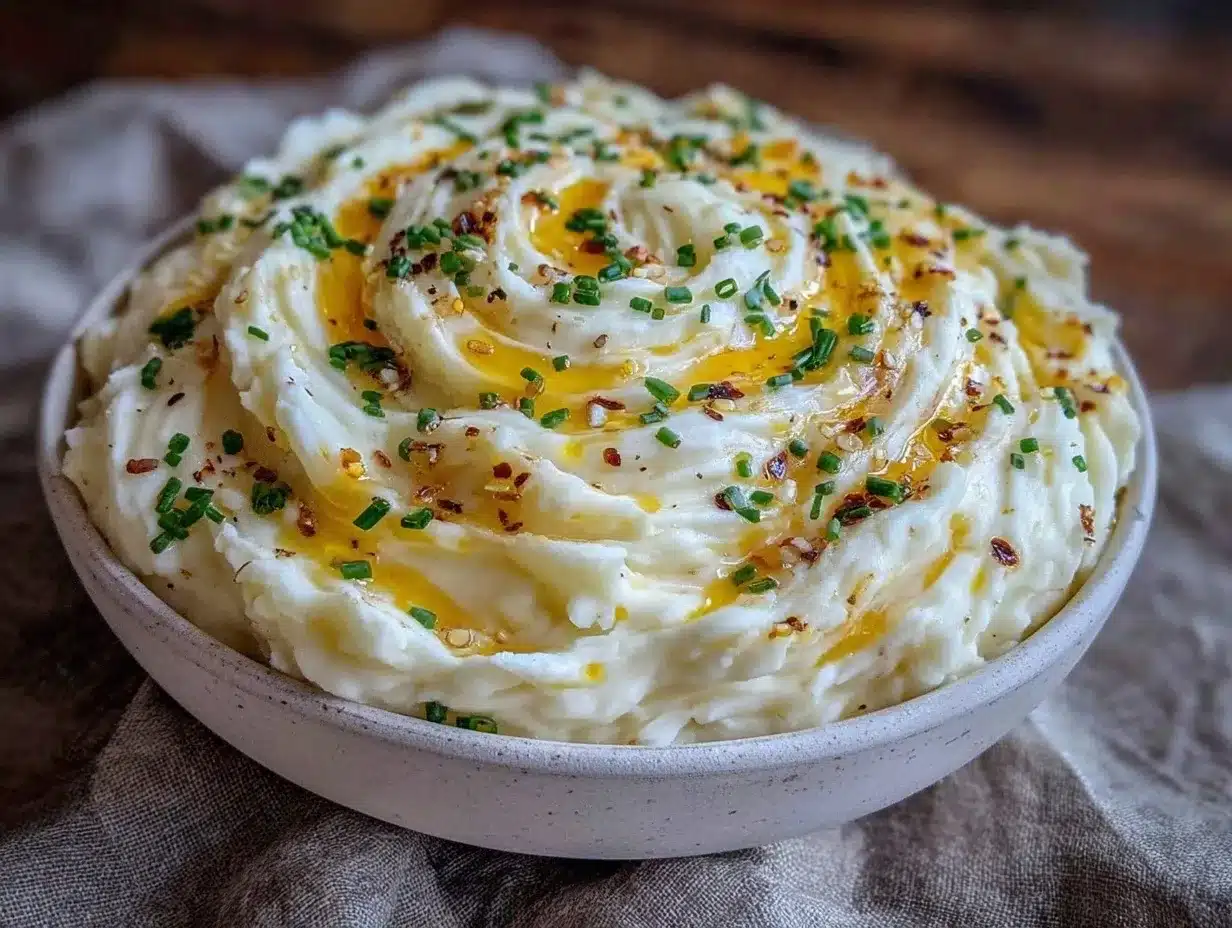
- Peel and cut the potatoes: Peel the russet potatoes and cut them into evenly sized chunks about 1.5 inches (3.8 cm) thick. This ensures they cook uniformly. (Prep time: 10 minutes)
- Rinse the potatoes: Rinse the cut potatoes under cold water to remove excess starch, which helps prevent gluey texture.
- Boil the potatoes: Place the potatoes in a large pot and cover with cold water by an inch (2.5 cm). Add a pinch of salt. Bring to a boil over medium-high heat, then reduce to a simmer. Cook until potatoes are fork-tender, about 15-20 minutes. Keep an eye on them; overcooking can cause waterlogging. Drain thoroughly in a colander. (Cooking time: 15-20 minutes)
- Warm the milk and butter: While potatoes cook, gently warm the milk and softened butter in a small saucepan or microwave until the butter melts and the mixture is warm but not boiling.
- Mash the potatoes: Return the drained potatoes to the pot or a large mixing bowl. Use a potato masher to start breaking them down. Add salt and pepper to taste.
- Add butter and milk mixture: Pour in the warm milk and butter gradually, mashing and folding gently as you go. This helps the potatoes absorb moisture without getting gummy. Stop when you reach a creamy, light texture. (Tip: Avoid over-mixing, which releases starch and makes potatoes gluey.)
- Final seasoning and texture check: Taste and adjust salt and pepper. If the potatoes seem too stiff, add a splash more warm milk. For extra fluff, you can gently fold in a spoonful of sour cream or cream cheese.
- Serve immediately: Mashed potatoes are best fresh but can be kept warm in a covered dish for up to 30 minutes without drying out.
Pro tip: If you get interrupted mid-mash (like I did once by a ringing doorbell), just cover the pot and resume when ready. Patience is key for perfect texture.
Cooking Tips & Techniques
Here are some tricks I’ve learned after plenty of mashed potato mishaps:
- Choose the right potato: Russet potatoes are king for fluffy mash due to their high starch content. Waxy potatoes tend to be denser and stickier.
- Don’t start with hot water: Placing potatoes in cold water ensures even cooking and prevents the outside from overcooking before the inside is done.
- Drain thoroughly: Excess water is the enemy of fluffy mashed potatoes. Let the potatoes sit in the colander for a minute to steam off moisture after boiling.
- Warm your liquids: Adding cold milk or butter cools the potatoes down and can make them gluey. Warm them up for smoother mixing.
- Mash gently and avoid overworking: Over-mixing releases starch, making potatoes gummy. Use a gentle folding motion and stop once smooth.
- Season well: Potatoes can be bland without enough salt. Taste as you go and don’t be shy with seasoning.
- Multitask smart: While potatoes boil, prep your other sides or set the table. This keeps your timing on point so potatoes don’t sit too long and dry out.
I once forgot to warm the milk and ended up with chalky mash—lesson learned! It’s those little details that make all the difference.
Variations & Adaptations
This mashed potatoes recipe is a great base for customization. Here are some ideas I’ve tried and loved:
- Garlic Mashed Potatoes: Add roasted garlic cloves while mashing for a mellow, sweet garlic flavor. Perfect for cozy dinners.
- Herb-Infused: Stir in freshly chopped parsley, chives, or thyme for a fresh, aromatic touch.
- Dairy-Free Version: Swap butter for olive oil or vegan margarine, and use unsweetened almond or oat milk warmed before mixing.
- Cheesy Mash: Fold in shredded sharp cheddar or Parmesan for a richer, indulgent twist. I make this for holiday meals every year.
- Sweet Potato Mash: Substitute half or all russets with sweet potatoes for a vibrant color and natural sweetness.
Adjust cooking times slightly for different potato types or blends, and always taste to balance seasoning. I love the garlic and herb combo for a fresh take that still feels classic.
Serving & Storage Suggestions
Serve these fluffy mashed potatoes hot, right after mashing, for the best texture and flavor. They pair beautifully with roast chicken, crispy garlic chicken, or hearty stews. A drizzle of pan gravy or a sprinkle of fresh herbs on top adds a nice touch.
If you have leftovers, store mashed potatoes in an airtight container in the refrigerator for up to 3 days. To reheat, warm gently in a covered saucepan over low heat, stirring occasionally, or microwave with a splash of milk to bring back creaminess.
Flavors often deepen after resting, so leftovers can be just as tasty—sometimes even better! You can also freeze mashed potatoes in freezer-safe containers for up to 2 months; thaw overnight in the fridge before reheating.
Nutritional Information & Benefits
This mashed potatoes recipe provides a comforting source of energy with a moderate calorie count, especially when using whole milk and butter in reasonable amounts. Russet potatoes are rich in potassium and vitamin C, supporting heart health and immune function.
For those watching carbs, portion control is key, but swapping in cauliflower mash is an option for a lower-carb side. This recipe can be adapted to be dairy-free or vegan with simple substitutions, making it accessible for various dietary needs.
From my nutritionist friends, I’ve learned that eating potatoes with the skin on adds fiber, but peeling them makes for a silkier mash. Either way, these potatoes deliver satisfaction and nourishment in a humble package.
Conclusion
Fluffy mashed potatoes that are creamy and light without turning gluey might seem like a kitchen myth, but this recipe proves they’re real and easy to make. Whether you’re prepping a weeknight dinner or a special meal, these potatoes bring comfort and smiles to the table.
Feel free to tweak the seasonings or try one of the variations to suit your tastes. Honestly, I keep coming back to this recipe because it’s reliable and delicious every time, no stress involved. So go ahead, grab those potatoes, and give it a whirl—you won’t regret it!
If you try this recipe, I’d love to hear how it goes or what personal twists you added. Leave a comment below and share your mashed potato stories!
FAQs
What type of potatoes are best for fluffy mashed potatoes?
Russet potatoes are ideal because of their high starch content, which helps create a light and fluffy texture. Yukon Golds work too but yield a creamier, less fluffy result.
How can I avoid gluey mashed potatoes?
Drain potatoes thoroughly, warm your milk and butter before mixing, and avoid overworking the potatoes when mashing to prevent starch release.
Can I make mashed potatoes ahead of time?
Yes, you can make them a day ahead. Store in the fridge and reheat gently with a splash of milk to restore creaminess.
What’s the best tool for mashing potatoes?
A traditional potato masher works great. For ultra-smooth potatoes, a potato ricer or food mill can be used, but be careful not to overprocess.
How do I make mashed potatoes dairy-free?
Replace butter with olive oil or vegan margarine and use plant-based milk like almond or oat milk warmed before mixing for smooth results.
Pin This Recipe!
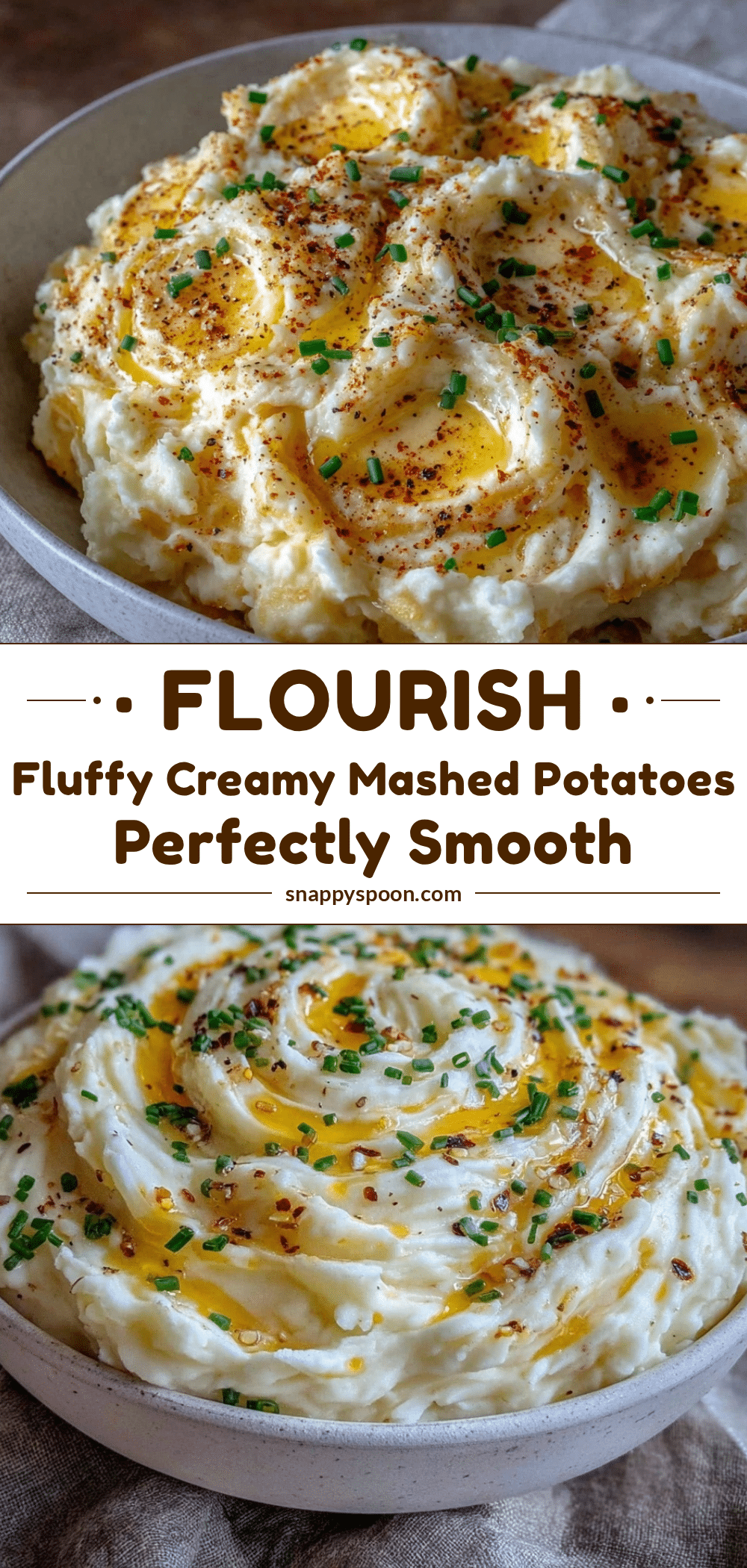
Fluffy Mashed Potatoes Recipe Easy Perfectly Creamy Light Guide
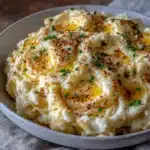
This recipe delivers creamy, fluffy mashed potatoes that are light and never gluey, perfect for comfort food cravings and easy weeknight dinners.
- Prep Time: 10 minutes
- Cook Time: 15-20 minutes
- Total Time: 30 minutes
- Yield: 4 servings 1x
- Category: Side Dish
- Cuisine: American
Ingredients
- 2 pounds (900g) russet potatoes
- 4 tablespoons (57g) unsalted butter, softened
- ½ cup (120ml) whole milk, warmed
- 1 teaspoon salt
- Freshly ground black pepper, to taste
- Optional: pinch of garlic powder or roasted garlic
Instructions
- Peel the russet potatoes and cut into evenly sized chunks about 1.5 inches thick.
- Rinse the cut potatoes under cold water to remove excess starch.
- Place potatoes in a large pot and cover with cold water by an inch. Add a pinch of salt. Bring to a boil over medium-high heat, then reduce to a simmer. Cook until fork-tender, about 15-20 minutes. Drain thoroughly in a colander.
- While potatoes cook, gently warm the milk and softened butter until the butter melts and the mixture is warm but not boiling.
- Return drained potatoes to the pot or a large mixing bowl. Use a potato masher to start breaking them down. Add salt and pepper to taste.
- Gradually pour in the warm milk and butter mixture, mashing and folding gently as you go until creamy and light. Avoid over-mixing.
- Taste and adjust salt and pepper. If too stiff, add a splash more warm milk. Optionally fold in a spoonful of sour cream or cream cheese for extra fluff.
- Serve immediately. Mashed potatoes can be kept warm in a covered dish for up to 30 minutes without drying out.
Notes
Use russet potatoes for best fluffiness. Rinse potatoes to remove excess starch. Warm milk and butter before adding to potatoes to avoid gluey texture. Avoid over-mixing to prevent gummy potatoes. Potatoes can be kept warm for 30 minutes without drying out. Variations include adding roasted garlic, herbs, or cheese. Dairy-free versions can use olive oil and plant-based milk.
Nutrition
- Serving Size: 1 cup mashed potatoe
- Calories: 210
- Sugar: 2
- Sodium: 470
- Fat: 9
- Saturated Fat: 5
- Carbohydrates: 29
- Fiber: 2
- Protein: 4
Keywords: mashed potatoes, fluffy mashed potatoes, creamy mashed potatoes, easy mashed potatoes, comfort food, side dish, russet potatoes