Love this? Save it for later!
Share the inspiration with your friends
“The power went out halfway through baking my birthday cake last year,” I remember telling my friend Emma as we sipped coffee. Honestly, it was a mess—half-risen, oddly sunken in the middle, and looking more like a crater than a cake. You know that sinking feeling, right? Not just the cake, but the one in your chest when you realize your dessert plans are sinking faster than the batter did. That’s exactly why I put together this simple Why Did My Cake Sink Troubleshooting Guide. Because let’s face it, no one wants to serve a sad, sunken cake—especially when you’ve put in all that effort.
It’s funny how a kitchen mishap turns into a learning moment. I wasn’t aiming to become a cake whisperer, but after a few too many “what went wrong?” moments, I started piecing together the clues. Maybe you’ve been there too: the middle collapses, the edges look fine, and you’re left wondering if it’s the oven, the flour, or just bad luck. No worries. This guide isn’t about fancy jargon or complicated fixes. It’s about real talk, simple science, and easy solutions that anyone can put into practice. So, if you’ve ever asked yourself, “Why did my cake sink?” you’re in the right place. Let me tell you, with a little patience and some kitchen know-how, your cakes will rise to the occasion every time.
Why You’ll Love This Recipe
Over time, I’ve tested countless cakes, noting exactly when things went sideways and how to catch those slips before they happen again. This troubleshooting guide is packed with practical tips that come from honest kitchen battles—and wins. Here’s why this guide will become your go-to resource:
- Quick & Easy: You can skim through it in minutes and start fixing your cake right away, perfect for those last-minute baking emergencies.
- Simple Ingredients & Techniques: No need for special equipment or exotic ingredients. It’s all about understanding what you already use daily.
- Perfect for Home Bakers: Whether you’re baking a birthday cake or a casual weekend dessert, these tips work for all skill levels.
- Crowd-Pleaser: Once you learn these fixes, your cakes will impress even the toughest dessert critics in your circle.
- Unbelievably Reliable: This isn’t just theory—it’s tried and tested advice that’s helped me salvage many a recipe.
What makes this troubleshooting guide stand out is its focus on the most common pitfalls—like oven temperature, mixing methods, and ingredient freshness—broken down so you can apply fixes instantly. This isn’t about following a rigid recipe; it’s about understanding your cake’s behavior and responding like a pro. Honestly, once you get the hang of these tips, every cake you bake feels a little like a victory lap.
What Ingredients You Will Need
This troubleshooting guide doesn’t require ingredients itself, but understanding your cake’s ingredients is key to knowing why it might sink. Here’s a quick rundown of typical cake ingredients and what to watch for:
- Flour – Usually all-purpose or cake flour. Using the wrong type or old flour can affect structure. I recommend brands like King Arthur for consistent results.
- Baking Powder & Baking Soda – Leavening agents that make your cake rise. Make sure they’re fresh; expired leaveners are a sneaky cause of sinking cakes.
- Sugar – Granulated sugar is standard, but substitutions can alter moisture and texture. Use standard white sugar unless the recipe says otherwise.
- Eggs – Large eggs at room temperature are best for binding and leavening. Cold eggs can lead to uneven mixing and sinking.
- Butter or Oil – Adds moisture and fat. Butter should be softened, not melted, unless specified. Oil keeps cakes moist longer.
- Milk or Other Liquids – Adds moisture and helps create the batter. Use full-fat milk or your preferred dairy-free alternative.
- Flavorings – Vanilla extract or other flavorings add depth. Don’t skip them, but use the recommended amounts.
Remember, the freshness and quality of these ingredients play a bigger role than you might think. For example, that packet of baking powder sitting at the back of your pantry for two years? Yeah, it might be why your cake fell flat. Also, if you need gluten-free options, almond or oat flour can work but require adjustments in moisture and baking time.
Equipment Needed
To troubleshoot and bake cakes effectively, you don’t need a fancy kitchen, but a few basic tools are essential:
- Oven – Obviously! But a good tip is to use an oven thermometer to check if yours runs hot or cold. I had one old oven that was 25°F off, causing all sorts of sinking problems.
- Mixing Bowls – At least two: one for dry ingredients and one for wet. Glass or metal bowls work well, but avoid plastic if you’re mixing hot ingredients.
- Measuring Cups and Spoons – Use proper measuring tools for accuracy. Baking is a science, so eyeballing rarely helps.
- Electric Mixer or Whisk – Hand mixer or stand mixer speeds up mixing, but a sturdy whisk can work for small batches.
- Baking Pans – Make sure your pans are the right size and in good shape. Warped pans can cause uneven baking.
- Cooling Rack – Vital for letting your cake cool evenly and preventing sogginess.
If you don’t have a mixer, no worries—I’ve made plenty of successful cakes with just a whisk and elbow grease. Also, maintaining your tools is key. Clean pans, for example, can prevent sticking that sometimes leads to cake collapse when you try to remove them.
Preparation Method
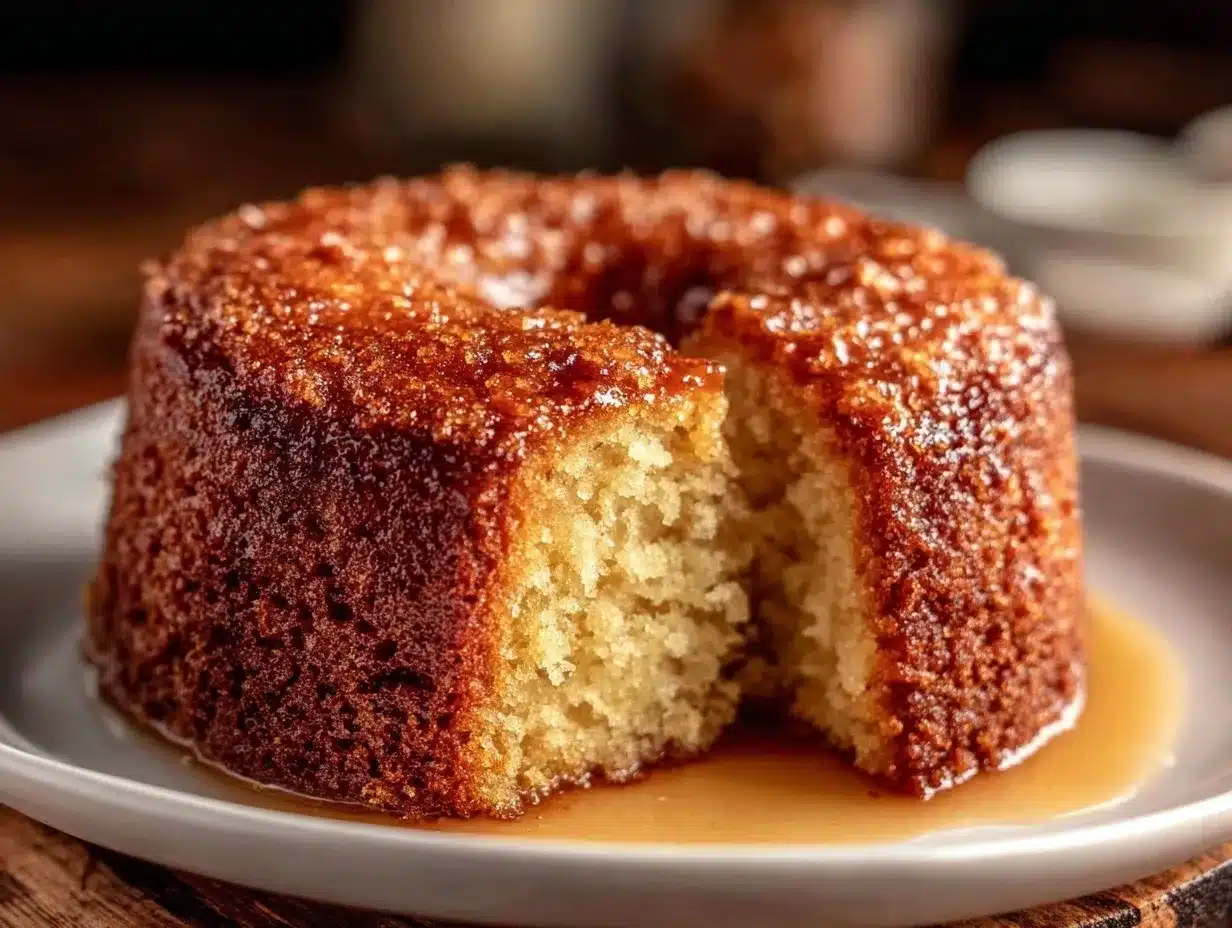
- Preheat Your Oven Properly (10 minutes) – Always preheat your oven to the exact temperature your recipe calls for. Use an oven thermometer to confirm. I once baked at 350°F (175°C) but my oven was actually at 320°F (160°C), causing the cake to sink because it didn’t set fast enough.
- Prepare Your Pans – Grease and flour your pans or line them with parchment paper. Uneven greasing can cause the cake to stick and pull, leading to sinking edges.
- Measure Ingredients Accurately – Use proper measuring cups. Spoon flour into the cup and level it off with a knife rather than scooping straight from the bag, which packs the flour and adds too much.
- Mix Dry Ingredients Together – Combine flour, baking powder, baking soda, and salt in a bowl. This ensures even distribution of leavening agents.
- Mix Wet Ingredients Separately – Beat eggs, sugar, and butter or oil until fluffy. This traps air helping the cake rise. Overmixing here can deflate the batter, so stop once it’s combined and light.
- Combine Wet and Dry Ingredients Gently – Fold the dry mix into the wet mix. Avoid overmixing, which develops gluten and makes the cake dense and prone to sinking.
- Pour Batter Evenly into Pans – Divide batter equally to ensure even cooking. Use a spatula to smooth the top but don’t press down hard.
- Bake Immediately – Don’t let batter sit; the leavening agents start reacting as soon as they mix with wet ingredients.
- Monitor Baking Time and Doneness – Follow the recipe timing but start checking a few minutes early. Insert a toothpick; it should come out clean or with moist crumbs, not wet batter.
- Cool Cakes Properly – Let the cake cool in the pan for 10-15 minutes, then transfer to a cooling rack. Cooling in the pan too long can lead to sogginess and sinking.
If you notice your cake sinking mid-bake, resist the urge to open the oven door too often—that sudden temperature drop can cause collapse. Also, if your recipe calls for room temperature ingredients, make sure to follow that; cold butter or eggs can throw off the chemistry.
Cooking Tips & Techniques
Here are some tried-and-true tips I’ve learned from those frustrating sinking cake moments:
- Don’t Overmix the Batter – This is a classic mistake. Overmixing creates too much gluten, leading to a heavy cake that sinks. Mix just until the ingredients come together.
- Watch Your Oven Temperature – Many ovens run hotter or cooler than indicated. Using an oven thermometer is a game changer. Baking at too low a temp means the cake won’t set properly; too high causes cracking and sinking.
- Check Your Leavening Agents – Old baking powder or soda loses its power. Test baking powder by dropping a bit in hot water; it should bubble vigorously.
- Don’t Open the Oven Door Too Soon – Early peeking lets heat escape and can cause the cake to fall. Wait at least two-thirds through baking before checking.
- Use Room Temperature Ingredients – Cold eggs or butter can cause the batter to curdle and not rise evenly.
- Level Your Batter – Spread the batter evenly in your pan to avoid uneven rising and sinking spots.
- Let the Cake Cool Gradually – Sudden temperature changes can cause the cake to deflate. Avoid drafts and don’t rush cooling.
Honestly, I’ve had batches sink because I forgot the baking powder once—don’t ask! It’s all part of learning. Just keep notes and adjust. You’ll get there.
Variations & Adaptations
If you’re feeling adventurous or need to tweak the recipe to fit your needs, here are some variations to consider:
- Gluten-Free Adaptation – Swap all-purpose flour with a gluten-free blend. Remember to add a bit more moisture (like yogurt or applesauce) to compensate.
- Vegan Version – Replace eggs with flaxseed meal mixed with water (1 tbsp flaxseed + 3 tbsp water per egg). Use plant-based milk and vegan butter.
- Flavor Variations – Add citrus zest, spices like cinnamon or nutmeg, or swap vanilla for almond extract for a twist.
- Different Baking Methods – Try baking cupcakes or muffins instead of a cake; these smaller portions usually bake more evenly.
- Personal Favorite – I once added sour cream to the batter for extra moisture and a tender crumb; it helped prevent sinking and added a subtle tang.
Serving & Storage Suggestions
Serve your cake at room temperature for the best texture and flavor. If you’re frosting it, let the cake cool completely; otherwise, the frosting will melt and slide off. Pair with a simple cup of tea or coffee, or even fresh berries for a light touch.
To store, wrap the cake tightly in plastic wrap or keep it in an airtight container. It lasts well for 3-4 days at room temperature or up to a week in the fridge. For longer storage, freeze the cake layers wrapped in foil and plastic wrap; thaw overnight in the fridge before serving.
Reheating is usually not necessary, but if you prefer it warm, pop a slice in the microwave for 10-15 seconds. Flavors often deepen after resting a day in the fridge too, so sometimes patience pays off.
Nutritional Information & Benefits
While cake is definitely a treat, understanding the ingredients can help you make smarter choices. A typical slice of homemade cake contains around 250-350 calories, depending on the recipe and frosting. Using quality ingredients like real butter and fresh eggs adds nutritional value compared to processed options.
Some cakes incorporate whole grains or fruit purees, boosting fiber and vitamins. For those watching carbs or allergens, gluten-free flours or sugar substitutes can tailor the cake to your needs. Just keep in mind texture changes.
Personally, I see cake baking as a balance of joy and nourishment—sharing a slice with friends is as important as the ingredients themselves.
Conclusion
So, next time your cake sinks, don’t throw it out or get discouraged. Use this Why Did My Cake Sink Troubleshooting Guide as your baking buddy. Each cake is a chance to learn something new, to fix a little mistake, and to get closer to that perfect rise. I love this guide because it took me from sinking failures to confident baking—and I know it can do the same for you.
Feel free to tweak, experiment, and share your own tips! Baking is part science, part art, and a whole lot of fun. If you have questions or want to share your story, drop a comment below. Let’s keep those cakes rising and those smiles shining.
FAQs
Why did my cake sink in the middle?
Most often, it’s due to underbaking, too much leavening agent, or opening the oven door too early. Check your oven temperature and baking time carefully.
Can using expired baking powder cause cake sinking?
Yes, expired baking powder loses its ability to help the cake rise, leading to a dense or sunken cake.
How can I prevent my cake from sinking after baking?
Cool the cake gradually on a rack, avoid drafts, and don’t remove it from the pan too soon to prevent sinking.
Is overmixing the batter bad?
Yes, overmixing develops gluten, causing the cake to be dense and more likely to sink.
Can the wrong pan size cause my cake to sink?
Absolutely. Using a pan that’s too small or too large affects baking time and cake structure, often leading to sinking.
Pin This Recipe!
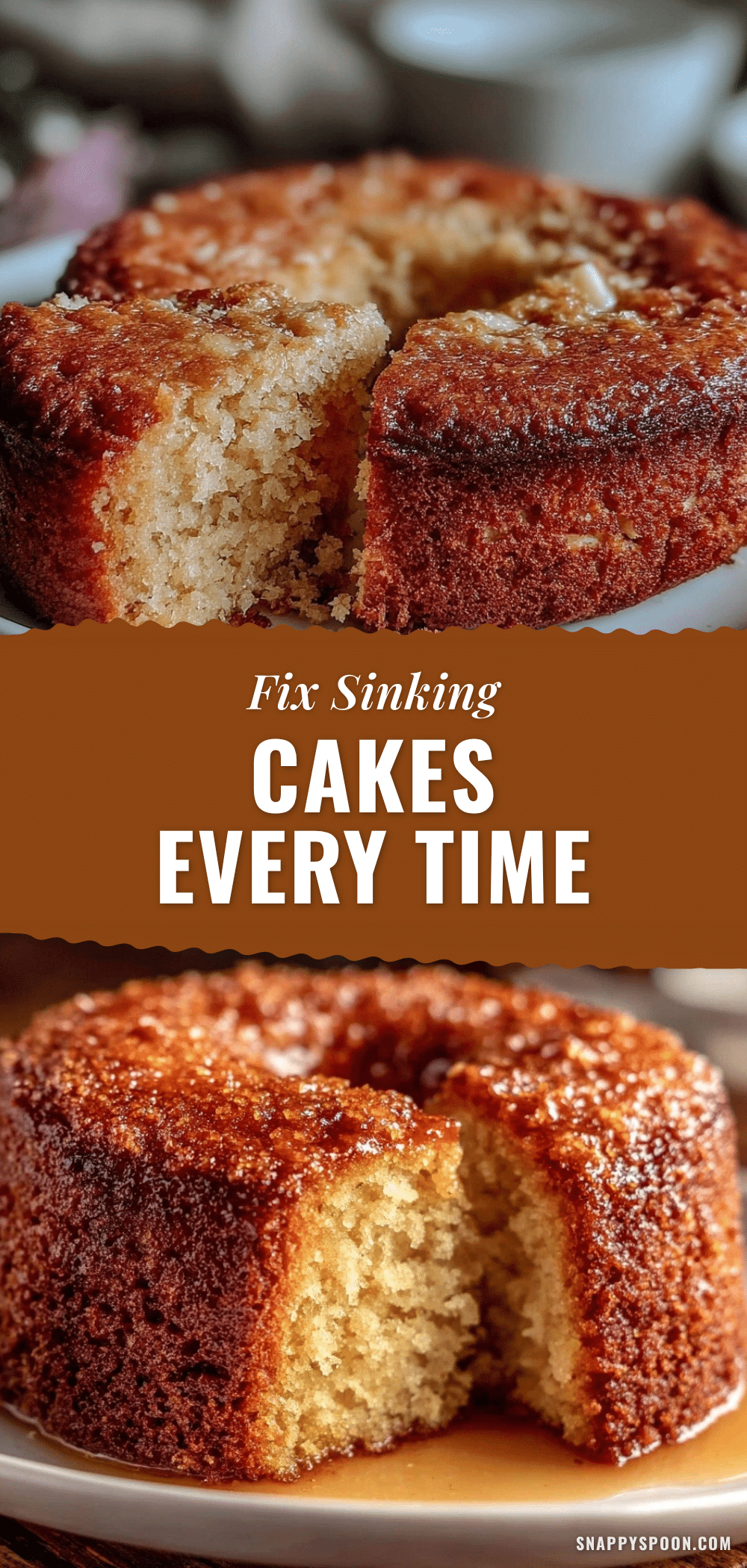
Why Did My Cake Sink Troubleshooting Guide Easy Fixes for Perfect Cakes
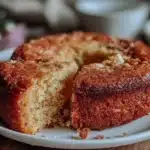
A practical troubleshooting guide to understand and fix common causes of sinking cakes, helping home bakers achieve perfect rises every time.
- Prep Time: 15 minutes
- Cook Time: 30 minutes
- Total Time: 45 minutes
- Yield: 8 servings
- Category: Dessert
- Cuisine: American
Ingredients
- Flour (all-purpose or cake flour)
- Baking powder
- Baking soda
- Sugar (granulated white sugar)
- Eggs (large, room temperature)
- Butter or oil (butter softened, not melted)
- Milk or other liquids (full-fat milk or dairy-free alternative)
- Flavorings (vanilla extract or other flavorings)
Instructions
- Preheat your oven properly (about 10 minutes) to the exact temperature your recipe calls for; use an oven thermometer to confirm accuracy.
- Prepare your pans by greasing and flouring them or lining with parchment paper to prevent sticking.
- Measure ingredients accurately using proper measuring cups; spoon flour into the cup and level it off with a knife.
- Mix dry ingredients (flour, baking powder, baking soda, salt) together in one bowl for even distribution.
- Mix wet ingredients (eggs, sugar, butter or oil) separately until fluffy to trap air for rising; avoid overmixing.
- Gently fold dry ingredients into wet ingredients; avoid overmixing to prevent dense batter.
- Pour batter evenly into prepared pans and smooth the top without pressing down hard.
- Bake immediately; do not let batter sit as leavening agents start reacting once mixed.
- Monitor baking time and check doneness by inserting a toothpick; it should come out clean or with moist crumbs.
- Cool cakes properly by letting them cool in the pan for 10-15 minutes, then transfer to a cooling rack to avoid sogginess.
Notes
Avoid opening the oven door too early to prevent temperature drops that cause sinking. Use fresh leavening agents and room temperature ingredients. Do not overmix batter to avoid gluten development. Cool cake gradually on a rack to prevent deflation.
Nutrition
- Serving Size: 1 slice (1/8 of cake
- Calories: 300
- Sugar: 28
- Sodium: 250
- Fat: 12
- Saturated Fat: 7
- Carbohydrates: 42
- Fiber: 1
- Protein: 4
Keywords: cake sinking, troubleshooting cake, baking tips, cake baking, cake fixes, home baking, cake troubleshooting guide