Love this? Save it for later!
Share the inspiration with your friends
My neighbor Dave asked why I couldn’t just mix the glaze ingredients right into the meatloaf instead of brushing it on top. I started to explain why that wouldn’t work—then stopped. Honestly, I had no good reason except that’s how my mom always did it, and her mom before her. I told him I’d try it his way, figuring I’d prove my point when it turned out wrong.
Well, let me tell you, I was wrong. Dead wrong. The brown sugar caramelized through the entire loaf instead of just sitting on top, creating these little pockets of sweet, sticky goodness in every single bite. The edges got this incredible candied crust that I’d never managed to achieve with the traditional topping method. I stood there in my kitchen, fork in hand, eating a slice while it was still too hot, and I had to text Dave an apology.
That was three summers ago, and I haven’t made meatloaf the old way since. This recipe became my go-to for Sunday dinners, for taking to friends who just had babies, for those nights when you need something that feels like a hug on a plate. The brown sugar glaze melts into the meat as it bakes, creating this sweet-savory magic that makes you wonder why nobody thought of it sooner. Maybe you’ve been there—stuck in a cooking rut, doing things a certain way just because. Sometimes the best recipes come from letting someone else take the wheel.
Why You’ll Love This Recipe
This isn’t just another meatloaf recipe you’ll forget about by Tuesday. I’ve tested this version more times than I care to count, tweaking the ratios, adjusting the glaze, and even burning a few loaves along the way. Here’s what makes it special:
- One-Bowl Wonder: Mix everything in a single bowl, shape it, and bake. No fancy equipment or complicated steps.
- Pantry-Friendly: You probably have every ingredient in your kitchen right now. No specialty store trips required.
- Budget Hero: Ground beef is affordable, and this recipe stretches it with fillers that add moisture and flavor without breaking the bank.
- Leftover Gold: Cold meatloaf sandwiches the next day? Absolute perfection. This recipe makes enough for two meals.
- Crowd-Approved: I’ve served this at potlucks, family dinners, and even a casual dinner party. It disappears every single time.
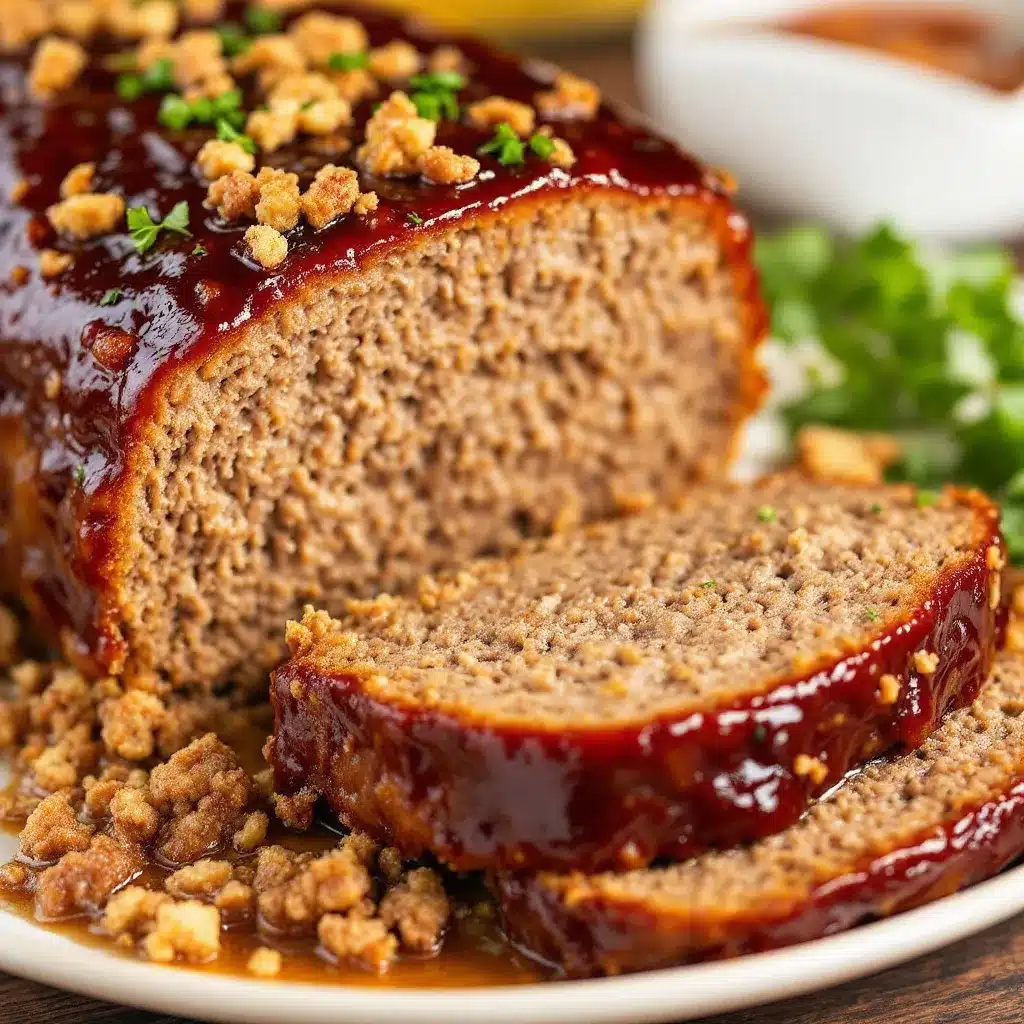
What sets this meatloaf apart is that brown sugar glaze technique Dave inspired. Instead of a separate topping that can slide off or burn, the glaze gets mixed right into the meat mixture. The sugar caramelizes as it bakes, creating this incredible sweet crust that locks in moisture. Every slice has that perfect balance of savory beef and sweet, sticky goodness.
This is the kind of recipe that makes you close your eyes after the first bite. It’s comfort food at its finest—simple, satisfying, and somehow better than the sum of its parts. Perfect for busy weeknights when you need dinner on the table without stress, or lazy Sundays when you want the house to smell amazing.
What Ingredients You Will Need
This recipe uses simple, wholesome ingredients to create something truly special. Most of these are pantry staples, which makes this perfect for those nights when you need dinner but don’t want to run to the store.
For the Meatloaf
- Ground beef, 2 pounds (80/20 blend works best for moisture)
- Breadcrumbs, 1 cup plain (I prefer Progresso or make your own from stale bread)
- Milk, ½ cup whole milk (adds moisture and tenderness)
- Eggs, 2 large, lightly beaten (binds everything together)
- Yellow onion, 1 medium, finely diced (about 1 cup)
- Garlic, 3 cloves, minced (fresh is non-negotiable here)
- Worcestershire sauce, 2 tablespoons (adds that savory depth)
- Ketchup, ¼ cup (I use Heinz for consistent flavor)
- Dijon mustard, 1 tablespoon (cuts through the richness)
- Salt, 1 teaspoon
- Black pepper, ½ teaspoon
- Dried thyme, 1 teaspoon (optional but recommended)
For the Brown Sugar Glaze
- Brown sugar, ½ cup packed (light or dark both work—dark gives deeper flavor)
- Ketchup, ¼ cup
- Worcestershire sauce, 1 tablespoon
- Apple cider vinegar, 1 teaspoon (balances the sweetness)
A few notes on ingredients: I recommend using 80/20 ground beef because the fat keeps the meatloaf moist. Leaner blends can result in dry meatloaf, though you can add an extra egg if that’s all you have. For the breadcrumbs, panko works in a pinch but gives a slightly different texture. If you’re gluten-free, use certified gluten-free breadcrumbs or crushed pork rinds for a low-carb option.
The brown sugar is the star here—don’t skimp on it. I’ve tried using honey and maple syrup as substitutes, and honestly, nothing beats the caramelized depth of real brown sugar. The apple cider vinegar in the glaze isn’t optional either; it cuts through the sweetness and keeps the glaze from being cloying.
Equipment Needed
You don’t need much for this recipe, which is part of its beauty. Here’s what you’ll need:
- Large mixing bowl—any bowl big enough to get your hands in there
- 9×5-inch loaf pan (or a baking sheet if you prefer free-form meatloaf)
- Small bowl for mixing the glaze
- Chef’s knife and cutting board for dicing the onion
- Measuring cups and spoons
- Meat thermometer (trust me, this is worth buying if you don’t have one)
- Parchment paper or aluminum foil for easy cleanup
If you don’t have a loaf pan, you can shape the meatloaf by hand on a rimmed baking sheet. I actually prefer this method sometimes because the edges get more caramelized. Just make sure to line the pan with foil for easy cleanup—meatloaf can get sticky. A good instant-read thermometer costs about $15 and will save you from dry, overcooked meatloaf forever.
Preparation Method
- Preheat your oven to 350°F (175°C). Line your loaf pan or baking sheet with parchment paper or foil. This makes cleanup so much easier—I learned this the hard way after scrubbing a caked-on pan for twenty minutes.
- Prepare the glaze first. In a small bowl, whisk together the brown sugar, ketchup, Worcestershire sauce, and apple cider vinegar until smooth. Set aside. This gives the flavors time to meld while you work on the meatloaf.
- Sauté the aromatics. Heat a small pan over medium heat with a drizzle of oil. Add the diced onion and cook for 3-4 minutes until translucent. Add the minced garlic and cook for another 30 seconds until fragrant. Let this cool for a few minutes—you don’t want hot onions cooking the meat. I forgot this step once and ended up with partially cooked meatloaf on the outside. Not great.
- Combine the wet ingredients. In your large mixing bowl, whisk together the milk, eggs, Worcestershire sauce, ketchup, and Dijon mustard. This ensures the seasonings are evenly distributed instead of clumping in one spot.
- Add the dry ingredients. Add the breadcrumbs, salt, pepper, and thyme to the wet mixture. Stir until just combined. Let this sit for 2-3 minutes so the breadcrumbs can absorb the liquid—this is key for a tender meatloaf.
- Add the meat and aromatics. Add the ground beef and the cooled onion-garlic mixture. Now, here’s the important part: use your hands to gently mix everything together. Don’t overmix or the meatloaf will be tough. You want to combine until you can’t see streaks of breadcrumbs anymore, then stop. I count to about 20 seconds of gentle mixing.
- Add the glaze to the mixture. Pour about half of the brown sugar glaze into the meat mixture. Mix gently again until incorporated. The glaze will look like it’s disappearing, but trust the process—it’s getting distributed throughout.
- Shape the meatloaf. Transfer the mixture to your prepared pan or shape it into a loaf on the baking sheet. If using a loaf pan, don’t press it down too firmly—you want some air pockets for tenderness. Shape it into a rounded dome on top.
- Apply the remaining glaze. Brush the remaining glaze over the top and sides of the meatloaf. Reserve a little bit for brushing on halfway through baking if you want an extra-sticky top.
- Bake. Place the meatloaf in the preheated oven and bake for 50-60 minutes. At the 30-minute mark, brush on any reserved glaze. The meatloaf is done when it reaches an internal temperature of 160°F (71°C) in the center. The top should be dark and caramelized, almost sticky-looking.
- Rest before slicing. This is the hardest part, I know. Let the meatloaf rest in the pan for 10-15 minutes before slicing. This allows the juices to redistribute so your slices hold together instead of crumbling. Use a spatula to transfer slices to a serving platter.
Cooking Tips & Techniques
After making this recipe more times than I can count, I’ve collected a few tricks that make a real difference:
Don’t skip the sauté step for onions. Raw onions release water as they cook, which can make your meatloaf soggy. Sautéing them first concentrates their flavor and removes excess moisture. Plus, raw garlic can be harsh—cooking it mellows the bite.
Use a light touch when mixing. Overworking the meat mixture develops too much gluten and makes the meatloaf dense and tough. Think of it like making meatballs or burgers—gentle is better. I use a folding motion rather than squeezing or kneading.
Let it rest, seriously. I know you’re hungry. I’ve cut into meatloaf too early and watched the juices run out across the cutting board, leaving dry, crumbly slices. That ten-minute rest is non-negotiable. The internal temperature will also rise about 5 degrees during resting, so don’t worry if it’s at 155°F when you pull it out.
Check the temperature in multiple spots. Meatloaf can cook unevenly, especially if you shaped it by hand. Check the center, the thickest part, and near the edges. If one area is undercooked, you can pop it back in for a few more minutes.
Line your pan with parchment overhang. Leave two long strips of parchment hanging over the sides of the pan. After resting, you can lift the entire meatloaf out using the parchment handles. This makes slicing and serving so much easier, plus your pan stays clean.
Variations & Adaptations
This recipe is flexible, and I’ve tried several variations over the years. Here are a few favorites:
Turkey Meatloaf: Substitute ground turkey or chicken for the beef. Add 2 tablespoons of olive oil to compensate for the lower fat content, and consider adding a grated zucchini (squeeze out excess moisture) for extra moisture. The glaze works beautifully with poultry.
Cheesy Stuffed Meatloaf: Flatten the meat mixture into a rectangle on a piece of parchment. Sprinkle 1 cup of shredded cheddar or mozzarella down the center, then roll it up like a log, sealing the edges. Bake as directed. The melted cheese center is incredible—I did this for a Super Bowl party and it was gone in minutes.
Low-Carb Version: Replace the breadcrumbs with almond flour or crushed pork rinds. Use sugar-free ketchup and a brown sugar substitute like Swerve for the glaze. The texture is slightly different but still delicious. My keto friend requests this version for every gathering.
Spicy Kick: Add 1-2 tablespoons of sriracha or your favorite hot sauce to the glaze, or mix in ½ teaspoon of cayenne pepper with the seasonings. The sweet-spicy combination is addictive.
Veggie-Packed: Grate a carrot or zucchini into the meat mixture (squeeze out excess moisture with a paper towel). This adds moisture and nutrients without changing the flavor much. Great for sneaking veggies into picky eaters’ meals.
Serving & Storage Suggestions
This meatloaf is incredibly versatile when it comes to serving. Here’s how I like to enjoy it:
Serving temperature: Serve warm, straight from the oven after resting. The glaze should be sticky and caramelized. Slice into 1-inch thick pieces for the best presentation.
Classic pairings: Mashed potatoes are the obvious choice—the gravy-soaking potential is unmatched. I also love it with roasted green beans, steamed broccoli, or a simple side salad. For a complete comfort meal, serve with creamed corn or mac and cheese.
Leftover magic: Cold meatloaf sandwiches are my favorite part of this recipe. Slice the cold meatloaf, toast some bread, add a smear of mayo or mustard, and pile on the meatloaf. Add lettuce and tomato if you’re feeling fancy. The next day, the flavors have melded even more.
Storage: Store leftover meatloaf in an airtight container in the refrigerator for up to 4 days. You can also freeze it for up to 3 months—wrap tightly in plastic wrap, then foil, or use a freezer-safe container.
Reheating: For best results, reheat slices in a 350°F oven for 10-15 minutes, or in a skillet over medium heat with a splash of water or broth. The microwave works in a pinch but can dry it out. If freezing, thaw overnight in the refrigerator before reheating.
The flavors actually deepen after a day in the fridge. I sometimes make this a day ahead on purpose, then reheat the whole loaf for dinner. The brown sugar glaze gets even more concentrated and delicious.
Nutritional Information & Benefits
Here’s the approximate nutritional breakdown per serving (based on 8 servings):
- Calories: 380
- Protein: 28g
- Fat: 22g
- Carbohydrates: 18g
- Fiber: 1g
- Sugar: 12g
- Sodium: 680mg
This recipe provides a solid amount of protein from the beef, which supports muscle health and keeps you full. The onions and garlic offer antioxidants and anti-inflammatory properties. While it’s not a health food, it’s a balanced meal when paired with vegetables.
For those watching their intake, the turkey version cuts calories and fat significantly. The low-carb version reduces carbs to about 5g per serving. Always check labels on ketchup and Worcestershire sauce for hidden sugars if that’s a concern.
Potential allergens: Contains eggs, dairy (milk), and gluten (breadcrumbs). Use gluten-free breadcrumbs and dairy-free milk for allergen-friendly versions.
Frequently Asked Questions
Can I make this meatloaf ahead of time?
Absolutely. You can prepare the meat mixture and shape it in the loaf pan up to 24 hours in advance. Cover and refrigerate, then add the glaze and bake when ready. You may need to add 10-15 minutes to the baking time since it starts cold.
Why is my meatloaf falling apart?
This usually happens when there aren’t enough binders (eggs and breadcrumbs) or if you skip the resting time. Make sure you’re using the full amount of breadcrumbs and letting the mixture sit before shaping. Also, don’t slice too early—the rest is crucial for structure.
Can I use ground pork or veal instead of beef?
Yes! A mix of ground beef and ground pork (50/50) is actually traditional for some meatloaf recipes. The pork adds extra moisture and richness. Ground veal works well too. Just make sure the internal temperature reaches 160°F regardless of the meat blend.
How do I prevent the glaze from burning?
The brown sugar can caramelize quickly, especially near the edges. If you notice the glaze getting too dark before the meatloaf is done, tent a piece of foil loosely over the top for the last 15-20 minutes of baking. This protects the glaze while allowing the meat to finish cooking.
Can I double this recipe?
Easily. Double all ingredients and bake in two loaf pans, or shape into a larger free-form loaf on a baking sheet. Increase baking time by 15-20 minutes for a larger loaf, and always check the internal temperature. Two smaller loaves bake in about the same time as one.
Conclusion
This meatloaf has become my most-requested recipe, and it all started because my neighbor challenged the way I’d always done things. Sometimes the best cooking advice comes from unexpected places—like someone who’s never made meatloaf before but has a hunch that just works.
I hope you give this version a try, and I hope it becomes a staple in your kitchen too. Don’t be afraid to tweak it, make it your own, or ignore my advice entirely and discover something new. That’s the beauty of cooking—there’s always another way to make something delicious.
If you make this recipe, I’d love to hear about it. Leave a comment below and let me know how it turned out, or share your own twist on the glaze. Happy cooking, and remember—sometimes the best recipes come from being wrong.
Pin This Recipe!
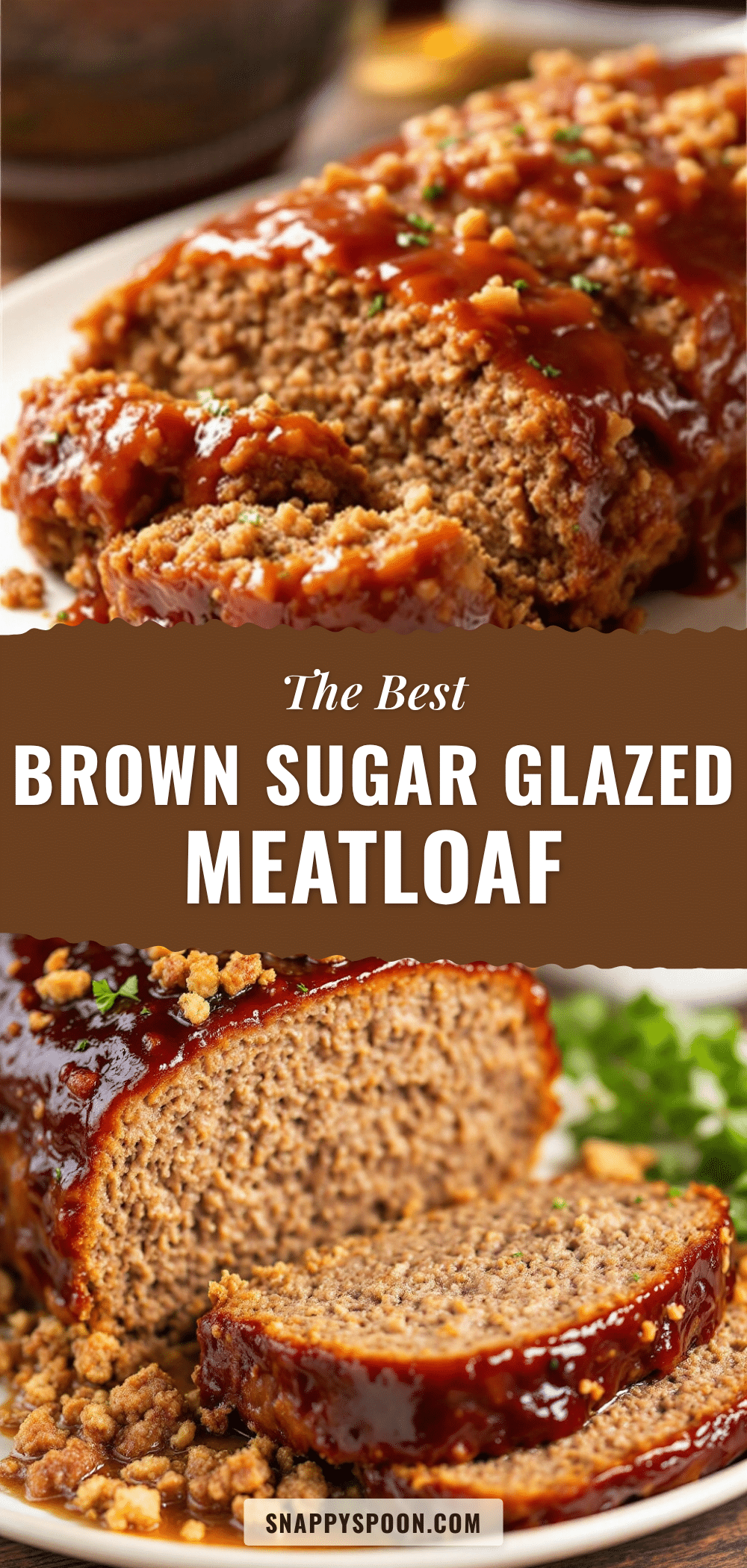
Best Homemade Meatloaf with Brown Sugar Glaze Recipe
This meatloaf features a brown sugar glaze mixed directly into the meat, creating sweet, caramelized pockets in every bite. It’s a one-bowl, pantry-friendly comfort food that’s perfect for weeknights or Sunday dinners.
- Prep Time: 15 minutes
- Cook Time: 55 minutes
- Total Time: 1 hour 10 minutes
- Yield: 8 servings 1x
- Category: Main Course
- Cuisine: American
Ingredients
- 2 pounds ground beef (80/20 blend)
- 1 cup plain breadcrumbs
- ½ cup whole milk
- 2 large eggs, lightly beaten
- 1 medium yellow onion, finely diced (about 1 cup)
- 3 cloves garlic, minced
- 2 tablespoons Worcestershire sauce
- ¼ cup ketchup
- 1 tablespoon Dijon mustard
- 1 teaspoon salt
- ½ teaspoon black pepper
- 1 teaspoon dried thyme (optional)
- ½ cup packed brown sugar (light or dark)
- ¼ cup ketchup (for glaze)
- 1 tablespoon Worcestershire sauce (for glaze)
- 1 teaspoon apple cider vinegar
Instructions
- Preheat oven to 350°F (175°C). Line a 9×5-inch loaf pan or baking sheet with parchment paper or foil.
- In a small bowl, whisk together brown sugar, ¼ cup ketchup, 1 tablespoon Worcestershire sauce, and apple cider vinegar until smooth. Set aside.
- Heat a small pan over medium heat with a drizzle of oil. Sauté diced onion for 3-4 minutes until translucent. Add minced garlic and cook for 30 seconds until fragrant. Let cool.
- In a large mixing bowl, whisk together milk, eggs, 2 tablespoons Worcestershire sauce, ¼ cup ketchup, and Dijon mustard.
- Add breadcrumbs, salt, pepper, and thyme to the wet mixture. Stir until just combined. Let sit for 2-3 minutes.
- Add ground beef and cooled onion-garlic mixture. Gently mix with your hands until just combined (about 20 seconds).
- Pour about half of the brown sugar glaze into the meat mixture and mix gently until incorporated.
- Transfer mixture to prepared pan or shape into a loaf on baking sheet. Do not press down too firmly. Shape into a rounded dome.
- Brush remaining glaze over the top and sides of the meatloaf. Reserve a little for brushing halfway through baking if desired.
- Bake for 50-60 minutes. At 30 minutes, brush on any reserved glaze. Meatloaf is done when internal temperature reaches 160°F (71°C) in the center.
- Let meatloaf rest in the pan for 10-15 minutes before slicing.
Notes
Don’t skip sautéing the onions—raw onions can make the meatloaf soggy. Use a light touch when mixing to avoid a dense texture. Let the meatloaf rest before slicing to keep it from crumbling. For a free-form loaf, shape on a rimmed baking sheet for more caramelized edges. If the glaze gets too dark, tent with foil for the last 15-20 minutes.
Nutrition
- Serving Size: 1 slice (1/8 of loaf
- Calories: 380
- Sugar: 12
- Sodium: 680
- Fat: 22
- Saturated Fat: 8
- Carbohydrates: 18
- Fiber: 1
- Protein: 28
Keywords: meatloaf, brown sugar glaze, comfort food, ground beef, easy dinner